

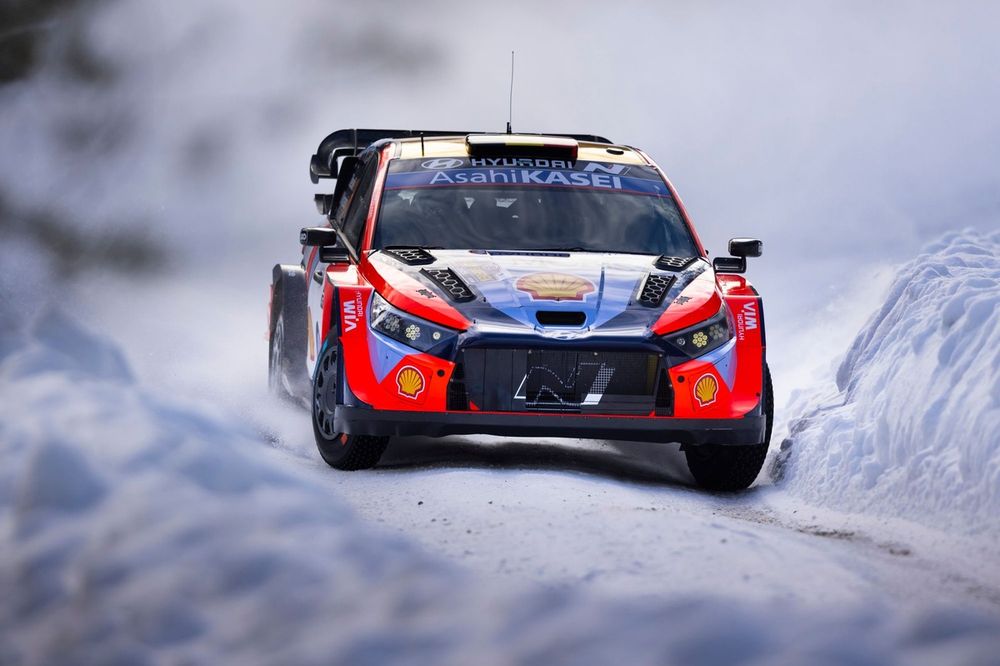
This week’s Safari Rally Kenya (20 – 23 March) is the only event on the WRC calendar where the cars undergo noticeable modifications—a true reflection of the extreme challenge Africa presents.
Drivers will face some of the season’s toughest terrain, battling rugged roads, unpredictable weather, and intense conditions. One of the most distinctive changes? The snorkel. This essential feature ensures the engine gets enough air during deep water crossings, a must for a rally that covers 384 competitive kilometers—making it the longest event of the year.
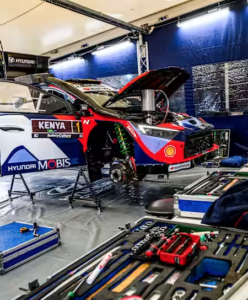
To tackle the relentless bumps and unforgiving rocks, the cars are also equipped with raised suspension, allowing them to navigate the rough landscape more effectively. But Safari Rally isn’t just a test of endurance—it’s also about speed.
High-speed compression plays a crucial role here. Despite the harsh conditions, some sections are incredibly fast, meaning suspension must absorb the impacts while keeping the car stable. Striking the right balance can mean the difference between victory and disaster.
It’s not just the suspension that gets special attention. The engine settings are fine-tuned to adapt to the high-altitude conditions of Naivasha, where the thinner air reduces power. Every adjustment matters as crews push their limits across the stunning African plains.


