

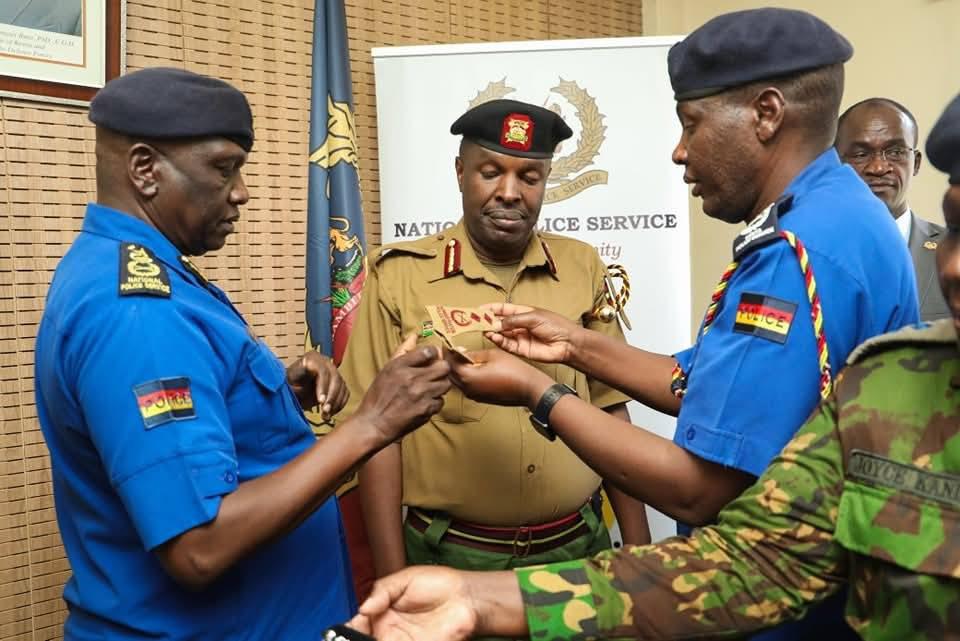
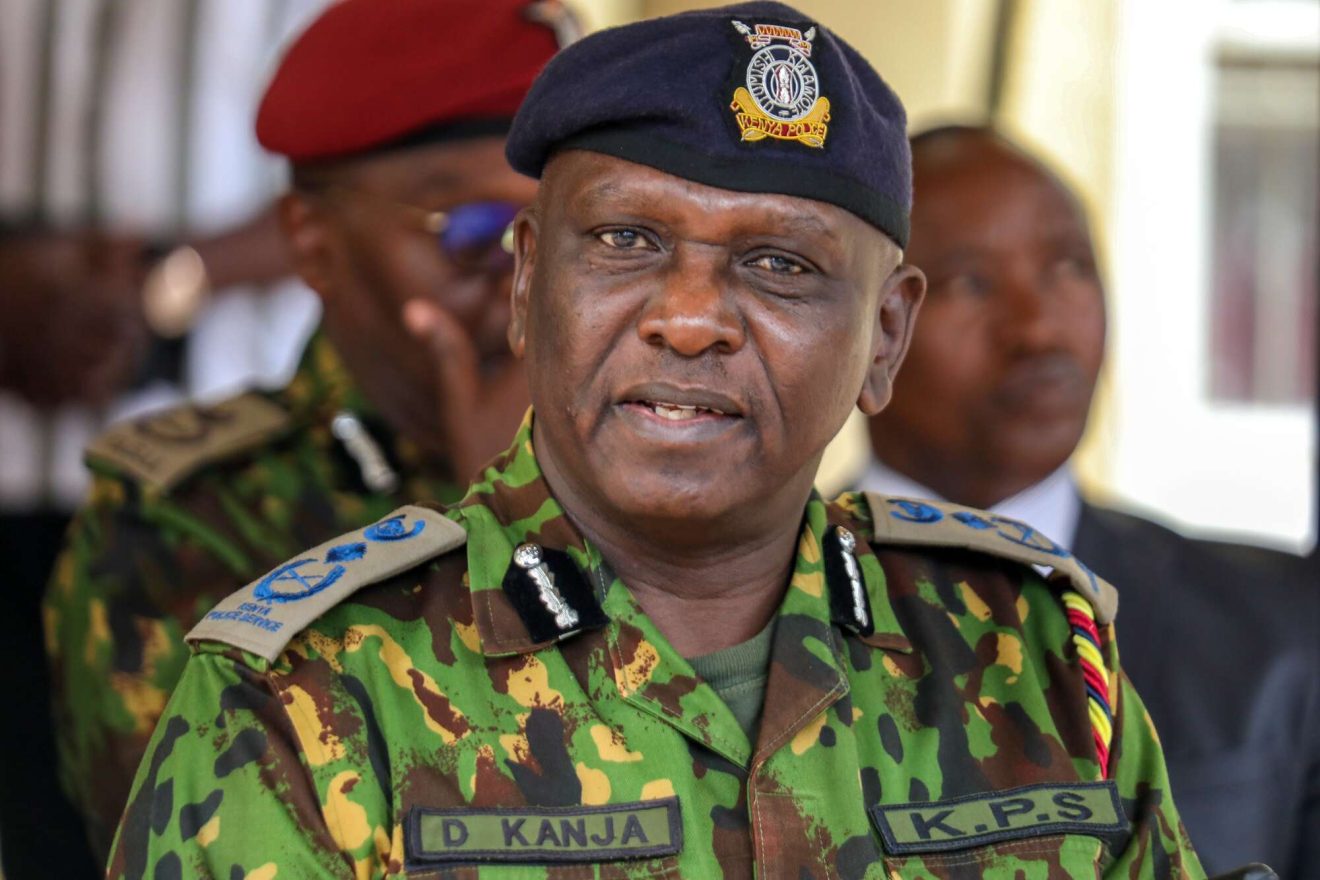
 NAIROBI, Kenya, In a significant move to overhaul grassroots law enforcement and administrative support, Inspector General of Police Douglas Kanja has formally gazetted the command structure of the newly-established National Government Administration Police Unit (NGAPU)
The unit is designed to provide a dedicated security shield for National Government Administrative Officers (NGAOs)including Regional Commissioners, County Commissioners, and Chiefs—while streamlining how government policies are enforced at the local level.
The formalization of NGAPU follows the signing of amendments to the National Police Service Standing Orders on December 23, 2025.
This legal framework, issued under Legal Notice No. 201 and dated December 24, 2025, officially places the specialized formation under the direct oversight of the Deputy Inspector-General (DIG) of the Administration Police Service
. The move is expected to end the long-standing ambiguity regarding the security detail and operational support available to administrative officers as they carry out their mandates across Kenya’s 47 counties.
A New Command for Local Order.
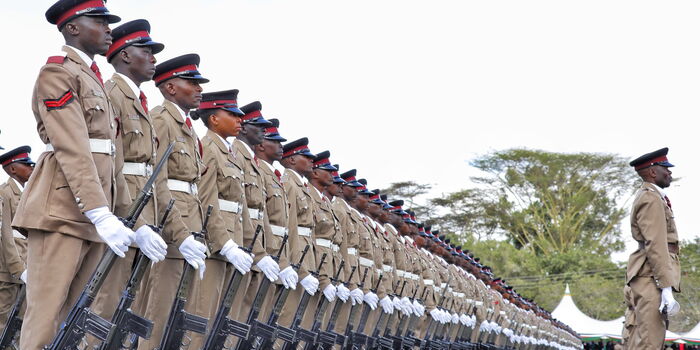 Under the new structure, the NGAPU, it will be led by a Commandant who reports directly to the DIG of the Administration Police.This hierarchy trickles down to the grassroots, with specialized officers assigned to regional, county, sub-county, and ward levels.
According to the gazette notice, these officers will be responsible for supervising the unit’s efficiency within their respective jurisdictions, ensuring that the “men in uniform” are always available to support government functions without the delays often associated with inter-departmental requests.
At the ward and division levels, the unit’s officers are now mandated to respond “without undue delay or reservation” to requests from administrative officers.
This is particularly crucial for Chiefs and Assistant Chiefs, who often face security risks when enforcing government directives, such as cracking down on illicit brews, managing land disputes, or conducting security sweeps in volatile areas.
| Administrative Level | Reporting Structure | Primary Responsibility |
| National | Commandant to DIG (AP) | Strategic advisory and coordination of unit support. |
| Regional | Regional Unit Officer to Regional AP Commander | Oversight of regional operations and efficiency. |
| County | County Unit Officer to County AP Commander | Management of unit functions at the county level. |
| Ward/Division | Ward Unit Officer to Sub-County Police Commander | Immediate response to NGAO requests and local security. |
Balancing Power at the Police Station.
 While NGAPU introduces a specialized force for administrative support, the gazette notice is careful to maintain the existing balance of power within the National Police Service. The Officer-in-Charge of Police Station (OCS) remains the ultimate authority for all police operations within a ward or division, including the prevention and detection of crime.
NGAPU officers will act as first responders, with the power to apprehend offenders and preserve evidence, however, they are strictly required to record all incidents in the Occurrence Book (OB) and hand over any recovered exhibits to the local OCS without delay.
This ensures a centralized chain of custody and prevents the emergence of parallel policing systems that could undermine the rule of law.
Beyond Guarding: Peace-building and Policy Enforcement..

This is a vital addition for regions prone to cattle rustling or ethnic tensions, where NGAOs are often at the forefront of mediation efforts.
“The National Government Administration Police Unit, is established to render support to national government administrative officers in the performance of their lawful duties, provide protective security, and support government agencies in enforcing national policies and regulations,” the Gazette circulated on Monday states.
As the unit begins its rollout, the Commandant has been tasked with developing Standard Operating Procedures (SOPs) for the Inspector General’s approval.
Officers within the unit will be governed by the National Police Service Standing Orders and will be entitled to allowances as determined by the National Police Service Commission (NPSC)
This move by IG Kanja signals a robust attempt to professionalize the support system for the “eyes and ears” of the national government on the ground.


