


Remember that saying, ‘When elephants fight, it’s the grass that suffers’? Well, in the global arena, when political giants like the US and Canada have a spat, the ripples can reach as far as our Kenyan shamba. Former US President Donald Trump is back in the headlines, threatening to block the opening of the Gordie Howe International Bridge, a massive project connecting the US and Canada. You might be thinking, ‘Kwani, what does a bridge in America have to do with me?’ Plenty, actually. Let’s break down how this North American drama could subtly impact your everyday life here in Kenya.
The Gordie Howe Bridge: A Tale of Billions and Political Back-and-Forth
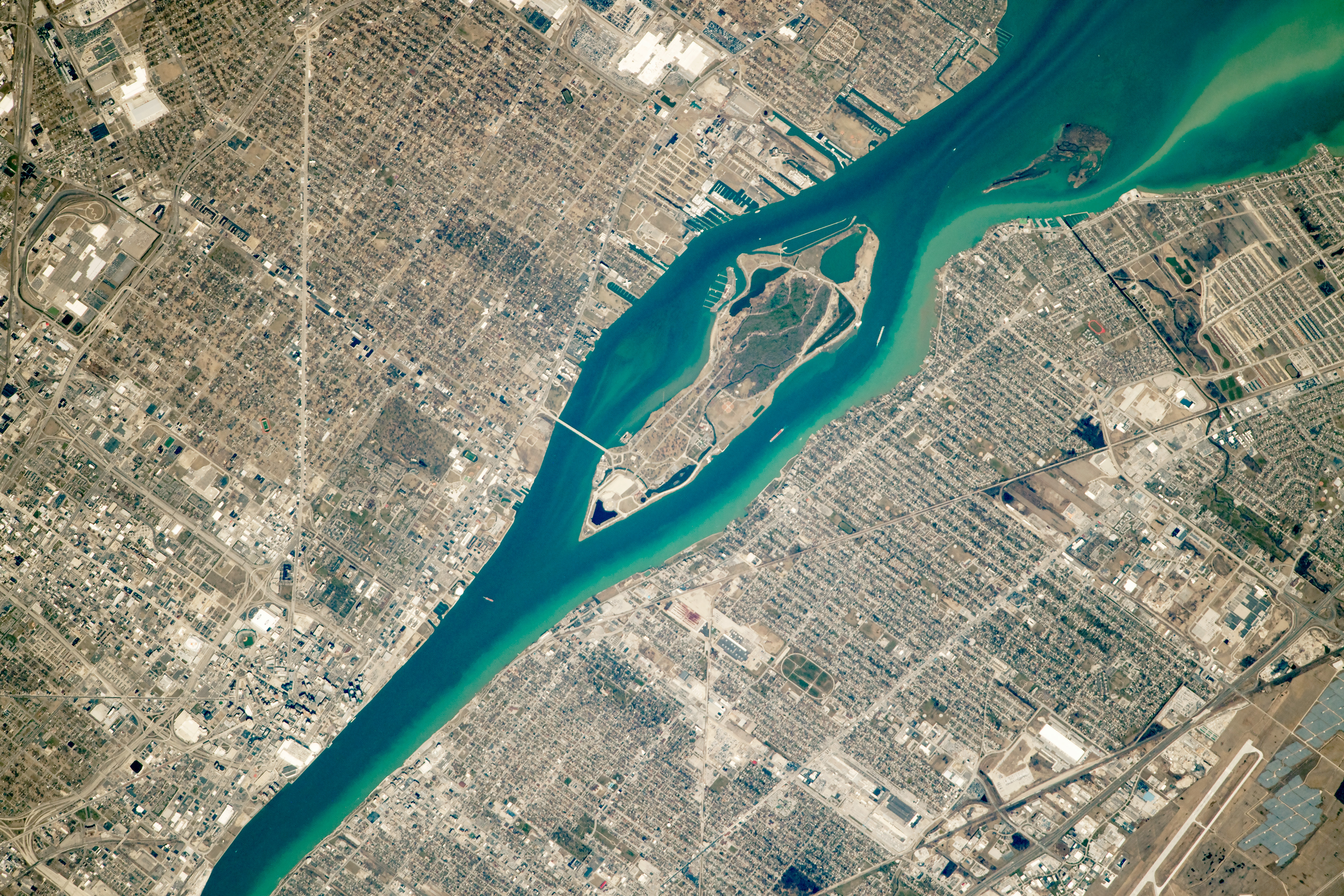 This isn’t just any bridge; it’s the Gordie Howe International Bridge, a colossal infrastructure project spanning the Detroit River, designed to link Windsor, Ontario, in Canada with Detroit, Michigan, in the US. We’re talking about a $6.4 billion CAD (£3.4 billion) investment, primarily funded by the Canadian government, but intended to be publicly owned by both nations . Think of it as a super-SGR, but crossing an international border between two of the world’s biggest economies. Its primary purpose? To ease cargo transport and facilitate trade, a vital economic link between the two countries .
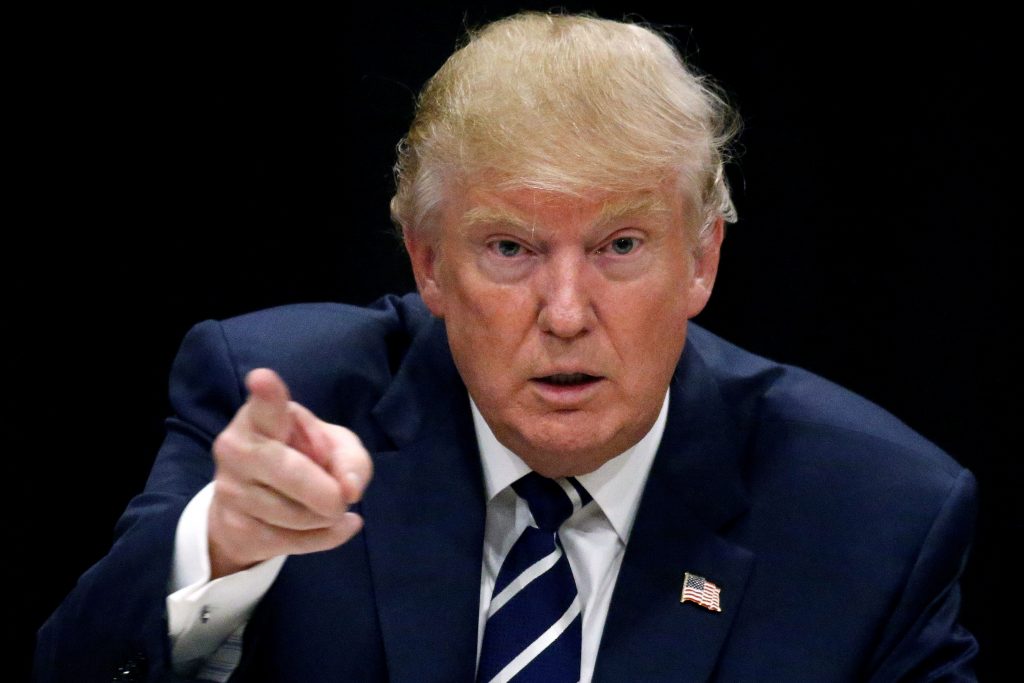
Construction kicked off in 2018, and it’s nearing completion. But just as the ribbon-cutting ceremony looms, Trump has thrown a wrench in the works. He insists the bridge won’t open until the US is “fully compensated for everything” it has given Canada and that Ottawa treats the US with the “Fairness and Respect that we deserve” . This is a classic case of political muscle-flexing, where a project meant to foster cooperation becomes a bargaining chip. Here in Kenya, we’ve seen similar scenarios where major infrastructure projects, despite their economic promise, get caught in political crossfire, leading to delays or renegotiations that ultimately affect public resources.
Interestingly, Trump’s current stance is a stark contrast to his earlier support. In 2017, he and then-Canadian Prime Minister Justin Trudeau issued a joint statement hailing the bridge as a “vital economic link” . This kind of political flip-flopping isn’t new to us; we’ve witnessed how political tides can shift, sometimes leaving projects in limbo and taxpayers scratching their heads.
The Trade War: Dairy, China, and That Bizarre Hockey Claim
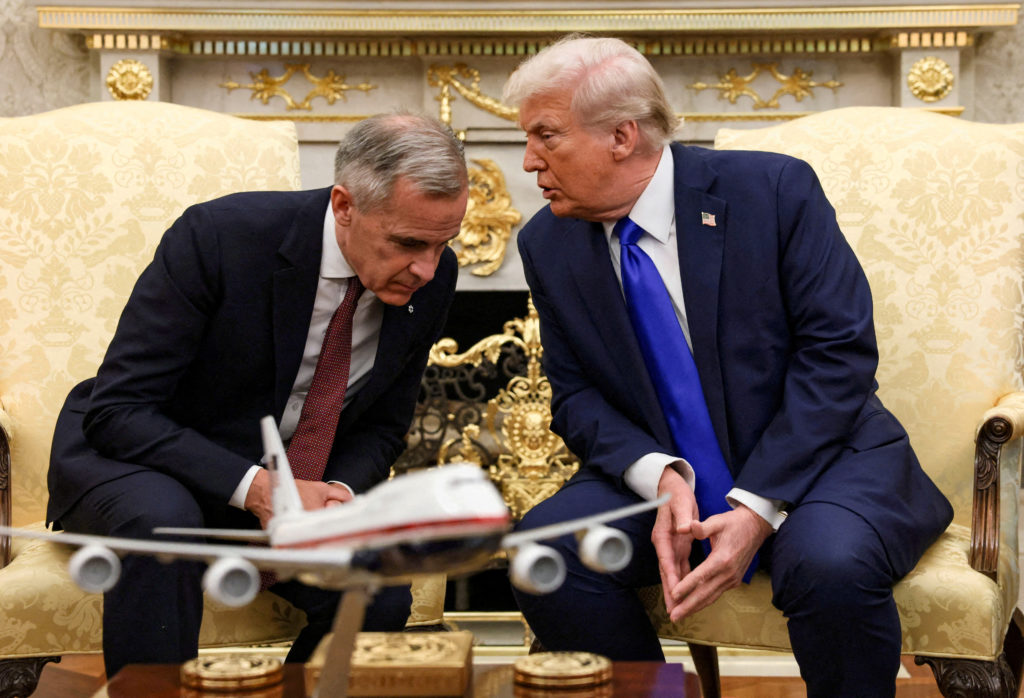
So, what’s fueling Trump’s fire this time? It appears to be a mix of long-standing trade grievances and Canada’s recent pivot towards China. Trump has pointed to “unacceptable” tariffs Canada charges on US dairy products as a point of contention . This resonates with our own experiences in regional trade blocs, where disputes over tariffs on goods like sugar or maize can strain relationships and impact local farmers and consumers.
Adding fuel to the fire is Canada’s move to forge a trade deal with China, especially after Trump’s administration imposed tariffs on Canadian imports. Trump dramatically warned that China would “eat Canada alive” and, in a truly bizarre claim, suggested that China would “terminate ALL Ice Hockey being played in Canada, and permanently eliminate The Stanley Cup” . While the hockey threat is laughable, it highlights the intense rhetoric often employed in trade wars. Imagine if someone threatened to ban Harambee Stars or our world-beating marathon runners because of a trade deal – it sounds absurd, but it captures the emotional temperature of these disputes.
The Mwananchi’s Ripple Effect: From Detroit to Donholm
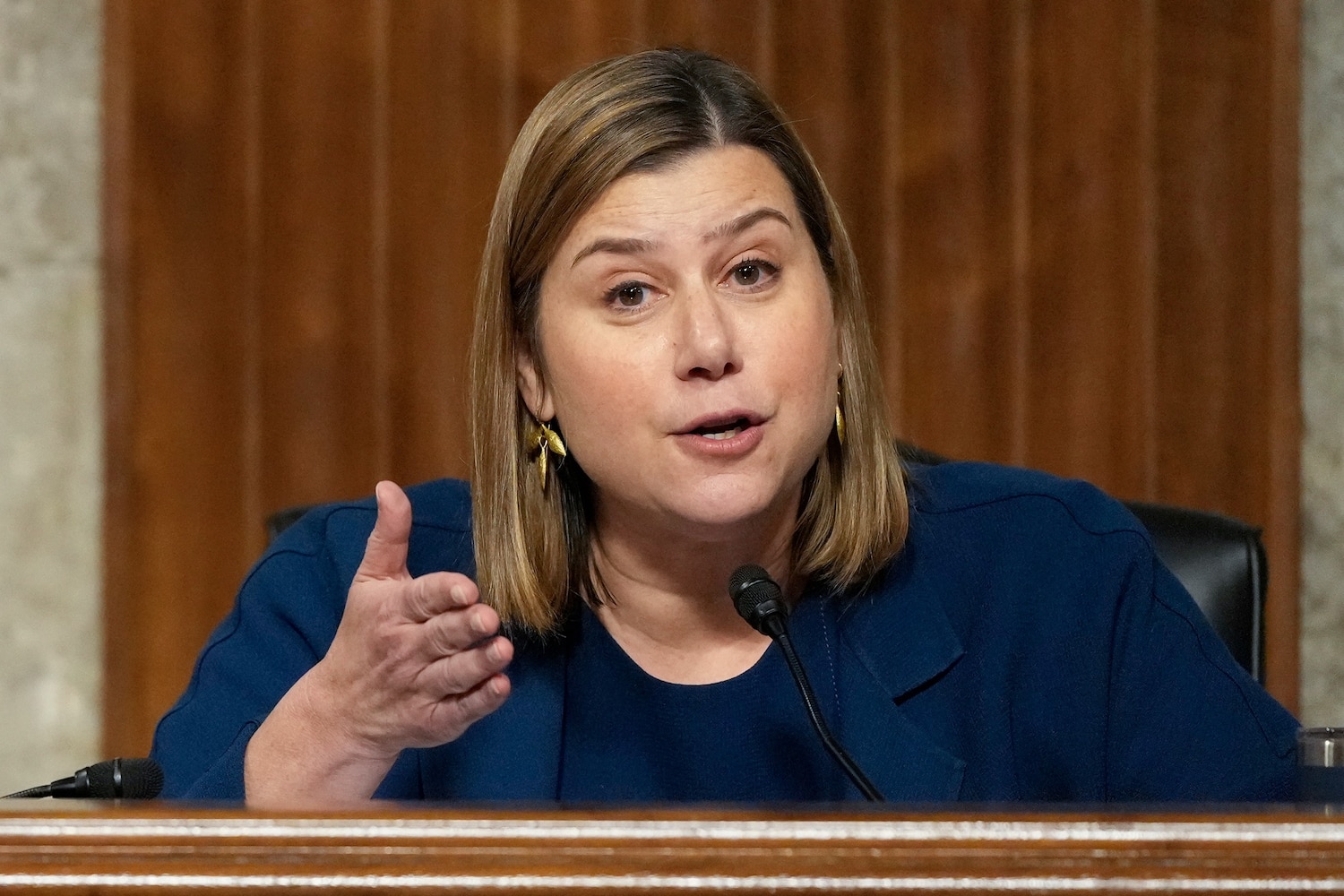
Michigan Senator Elissa Slotkin, a Democrat, was quick to highlight the real-world consequences of Trump’s threats, warning of “higher costs for Michigan businesses, less secure supply chains, and ultimately, fewer jobs” . She argued that Trump was “punishing Michiganders for a trade war he started.” The Canadian Chamber of Commerce also weighed in, denouncing the threat and stating that “blocking or barricading bridges is a self-defeating move” . This is where the story hits home for us. When global supply chains are disrupted, the cost of goods we import, from electronics to machinery, can increase. This means that new smartphone you’ve been eyeing, or the spare parts for your matatu, could become more expensive. And we all know how that goes—once the price of spares goes up, fare follows suit.
Local businesses, especially those relying on imported raw materials, could face higher production costs, which might be passed on to consumers or, worse, lead to job losses if they can’t compete. The stability of global trade isn’t just a fancy economic term; it directly affects the price of unga, the cost of fuel, and the availability of jobs for the mwananchi in Donholm, Kisumu, or Mombasa. It’s the difference between a stable budget and a month of ‘vumilia tu’.
Even the Moroun family, owners of the existing Ambassador Bridge connecting Detroit to Canada, got involved, appealing to Trump during his first term to stop the new bridge’s construction, arguing it infringed on their toll collection rights . This shows how powerful private interests can influence political decisions, a dynamic we are all too familiar with in our own political landscape. We know how ‘big fish’ can sometimes steer projects to suit their own pockets.
Navigating the Global Currents: Lessons for Kenya
Trump’s latest threats serve as a powerful reminder of how interconnected our world has become. Political decisions made thousands of miles away can have tangible effects on our economy and daily lives. For Kenya, this underscores the critical importance of:
•Diversifying Trade Partners: Relying too heavily on a few major players can leave us vulnerable to their political whims. Expanding our trade relationships across different continents strengthens our economic resilience.
•Strengthening Regional Blocs: Fortifying the East African Community (EAC) and other regional trade agreements provides a buffer against global shocks and creates a more stable market for our goods and services.
•Advocating for Fair Trade: Kenya, along with other developing nations, must continue to advocate for fair and stable international trade policies that protect emerging economies from the fallout of superpower disputes.
Ultimately, while the drama of the Gordie Howe Bridge unfolds far from our borders, the lessons are universal. In this global village, understanding these international currents is key to safeguarding our own economic future. What happens in Detroit or Ottawa can indeed affect the pockets and prospects of a mwananchi in Nairobi, Kisumu, or Mombasa. Whether it’s the price of your morning bread or the cost of your commute, in this connected world, we all have a stake in the game. So, next time you hear about a bridge blockade in Canada, remember—it might just be your pocket they’re talking about.


