So, let’s talk about that moment in Wajir. We’ve all seen the clips by now. One minute, the President is on stage talking about the NYOTA fund, and the next, a man breaks through the crowd, making a beeline for the podium. Before we could even process it, security had him. The official statement from the police headquarters landed fast: “Everything is fine, the President was never in danger, the situation was handled.” But is that the whole story? Or is it just the story they want us to hear?
So, What Exactly Happened?
In simple terms, during a presidential event in Wajir for the youth, an unidentified man managed to get unusually close to the President. He rushed from the crowd towards the main stage while President Ruto was giving his speech. The Presidential security team, known for their sharp reflexes, swiftly intercepted him. The President himself had to step in, telling his guards to calm down and not harm the man, promising to speak with him later. The Inspector General of Police has now ordered a three-day investigation into how this breach even occurred.
Why This Matters to Kenyans
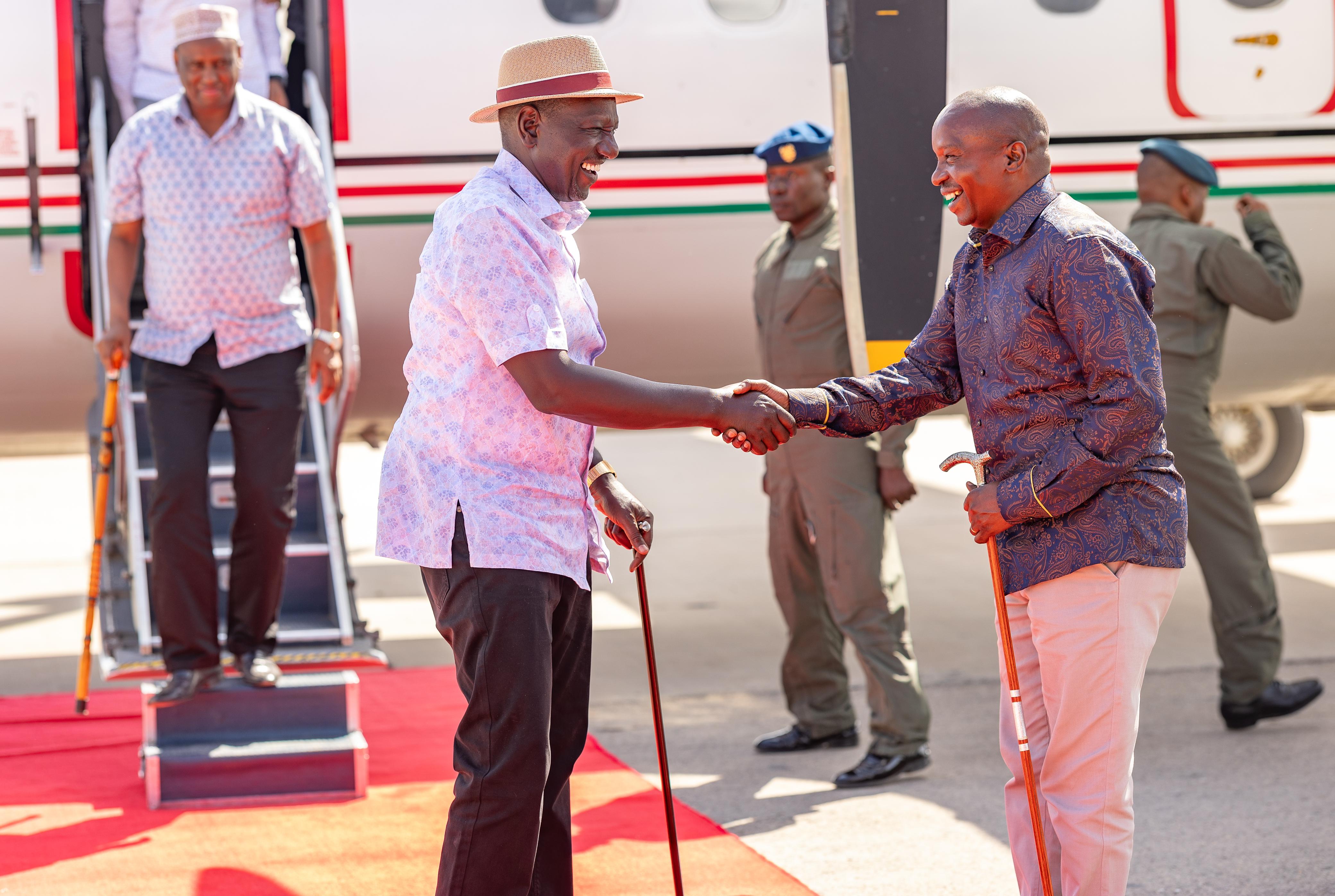
This isn’t just about one man’s desperate dash. It’s a moment that forces us to ask bigger questions about the space between our leaders and the people. In a country where the cost of living is biting hard and youth unemployment is a crisis, many Kenyans feel unheard. For someone to take such a massive risk, it speaks volumes about the level of desperation and the feeling that normal channels of communication are broken. It’s a mirror reflecting the frustrations of millions who feel locked out of the conversation.
The Street-Level Perspective
Forget the official statements for a second. In a matatu, the conversation would be different. Someone would say, *”Huyo jamaa ako na ujasiri, lakini shida ndio inamsukuma.”* (That guy is bold, but it’s his problems pushing him). Another might add, *”Security walale? Aje akafika hapo?”* (Were the security asleep? How did he even get that far?). On WhatsApp groups, the debate is already raging: Was he a threat, or just a desperate citizen trying to get the President’s attention? This is the real pulse of the nation—a mix of shock, a bit of admiration for his guts, and a deep, shared understanding of the hardship that could drive someone to do that.
The Overlooked Angle: A Cry for Help, Not a Threat
The mainstream news will focus on the “security lapse.” But the more important, overlooked story is about what this moment truly represents. This wasn’t an attack; it was a desperate form of communication. In an age of social media and hashtags, this man chose the most high-stakes, analog way to be seen. He likely knew he would be tackled and detained, but he did it anyway. Why? Because for many, the system feels impenetrable. This incident is a powerful, uncomfortable symbol of the disconnect between the State House and the streets. It’s a sign that for some Kenyans, the only way to be heard is to scream in the most public way possible.
Real Talk: What We’re All Thinking
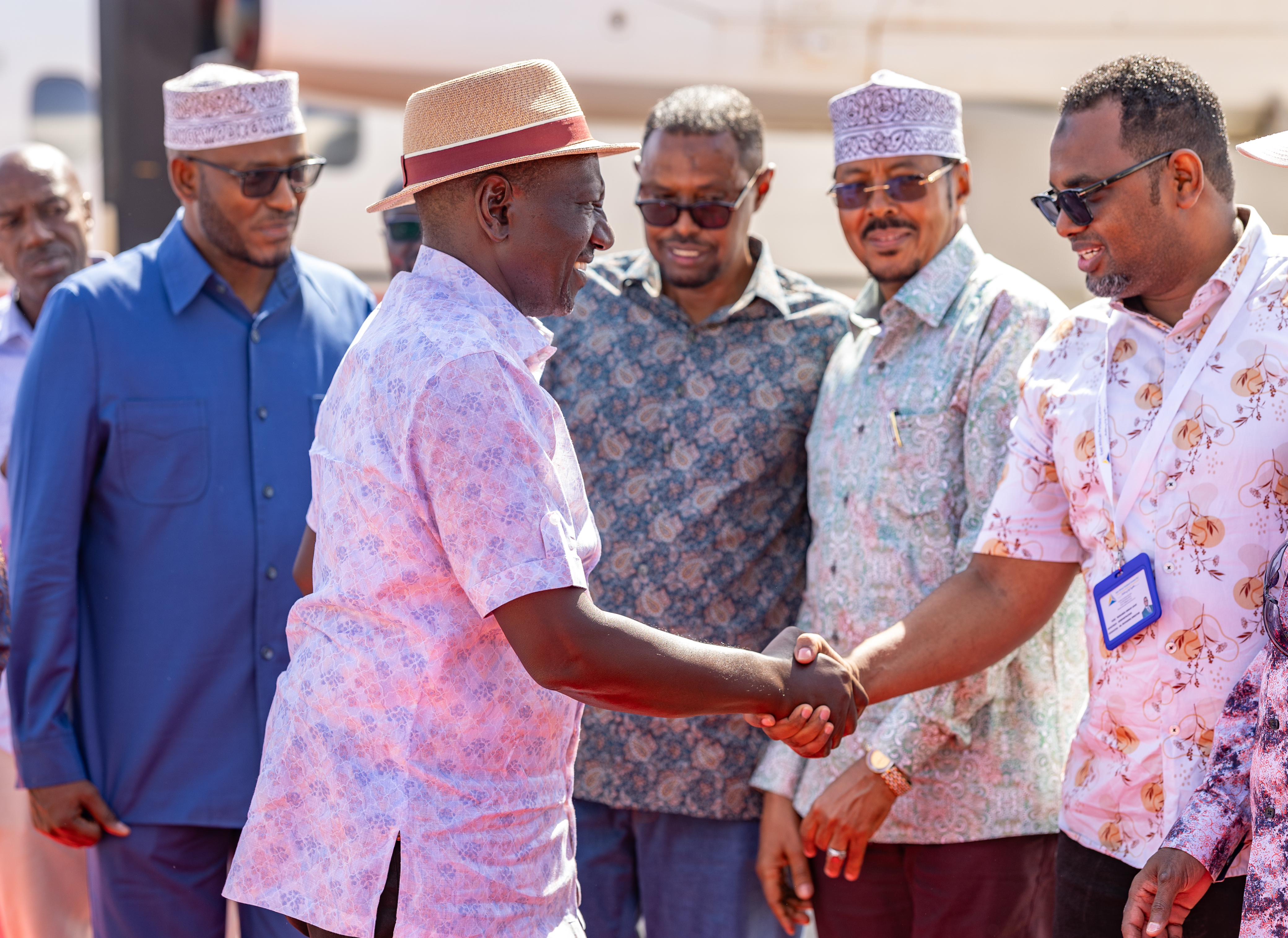 Let’s be honest. Part of us watched that clip and thought, “What was he going to say?” We’re all curious. Was he going to complain about the price of unga? Ask for a job? Deliver a message for his community? That curiosity comes from a place of recognition. We see ourselves in that desperation. While no one condones breaking security protocols, there’s a silent, collective nod of understanding. We get it. We get the frustration that makes a man risk everything just for a chance to be heard by the one person he believes can change his fate.
The official inquiry will give us answers about security protocols and procedural failures. But it will never capture the real story. The real story is about a system where citizens feel so invisible that they have to physically run towards power to feel seen. And that’s a much bigger security threat than one man could ever be.