Kenya has always been a hub of innovation, especially when it comes to technology and finance. From M-Pesa revolutionizing mobile money to a burgeoning tech startup scene, Kenyans are quick to embrace the future. It’s no surprise then that the world of cryptocurrencies has found fertile ground here. However, as digital assets like Bitcoin and stablecoins gain traction, a crucial conversation is unfolding: how do we regulate this rapidly evolving space to protect consumers and foster growth?
This very question took center stage at a recent stablecoin conference in Nairobi, where fintech and cryptocurrency stakeholders gathered to advocate for clearer, more coordinated regulations. The message was loud and clear: while Kenya has made commendable strides in developing a legal framework for digital assets compared to many of its African peers, there’s still a need for a unified approach that balances innovation with stability and consumer protection.
Kenya: A Leader in Africa’s Crypto Journey
Wale Osideinde, Chief Operating Officer at Bitnob, lauded Kenya’s proactive stance, noting that the country has become a learning platform for others on the continent. “We have learned a lot from Kenya for taking the lead in Africa with standalone crypto legislation,” he stated. This leadership is vital, especially as digital currencies hold immense potential to streamline cross-border payments, a significant advantage for initiatives like the African Continental Free Trade Area (AfCFTA), a market valued at a staggering $3.5 trillion.
Imagine sending money across African borders with the ease of a local M-Pesa transaction – that’s the promise crypto offers. Stablecoins, in particular, are gaining popularity for remittances and international trade, offering a more efficient alternative to traditional banking systems. However, the path to widespread adoption is paved with regulatory hurdles.
The Balancing Act: Innovation vs. Caution
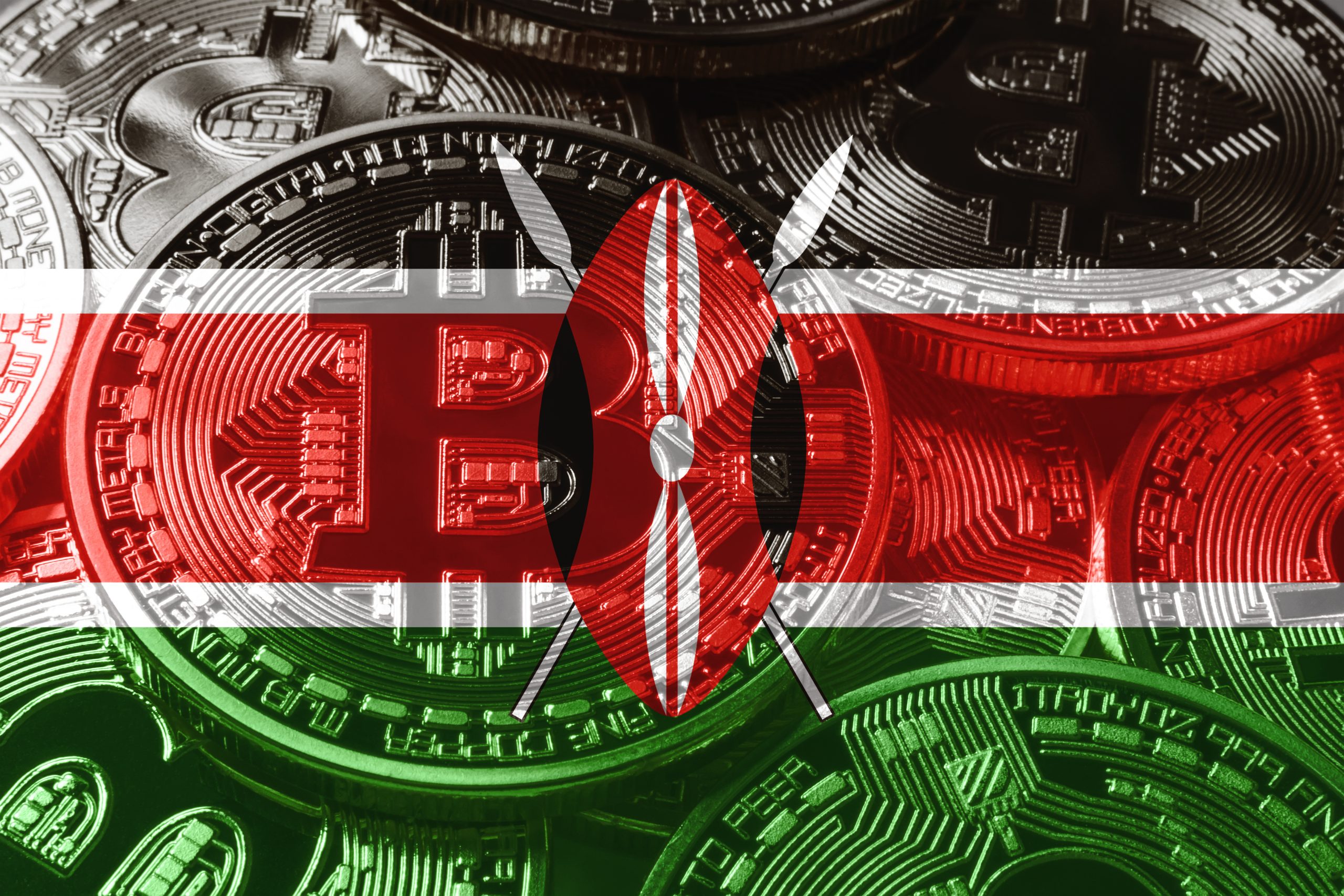 Kenyan regulators, including the Central Bank of Kenya (CBK), have understandably approached digital assets with caution. Concerns around volatility, potential for fraud, money laundering risks, and consumer losses are valid. The CBK has previously issued advisories, reminding Kenyans that cryptocurrencies are not legal tender and that engaging with them carries inherent risks. The core principle for policymakers remains safeguarding financial stability and protecting the everyday Kenyan consumer.
However, the industry argues that overly restrictive measures could stifle growth. Tony Olendo, Chairman of the Virtual Assets Chamber of Commerce, voiced concerns about the digital asset tax introduced in 2023. “The digital asset tax was a wrong move because it hinders sector growth. It risks driving innovation to other countries and could choke startups that have chosen to invest here,” he argued. This tax, part of broader revenue mobilization efforts, targets income from the transfer or exchange of digital assets.
The Way Forward: Collaboration and Clarity
Despite these challenges, the crypto space in Kenya continues to thrive. Edward Ndichu, CEO and Co-Founder of WapiPay, revealed that Kenyans transact approximately $500 million monthly in stablecoins – a testament to the growing adoption and demand. He credits this to the support, albeit cautious, from regulators like the National Treasury, the Central Bank, and the Capital Markets Authority.
The call from industry players is for greater coordination between regulatory bodies to provide much-needed clarity. Independent market reports further underscore Africa’s burgeoning fintech potential, with PwC’s Global M&A Trends 2023 report showing a 22% year-on-year increase in deal volume in Africa’s tech and fintech sectors. McKinsey projects Africa’s fintech revenues could reach $47 billion by 2028, up from about $10 billion in 2023.
As Kenya continues its journey in the digital economy, finding the sweet spot between fostering innovation and ensuring robust oversight will be key. The conversation is ongoing, and the hope is that a clear, supportive regulatory framework will emerge, allowing Kenya to fully harness the transformative power of digital assets for its people and the wider African continent.