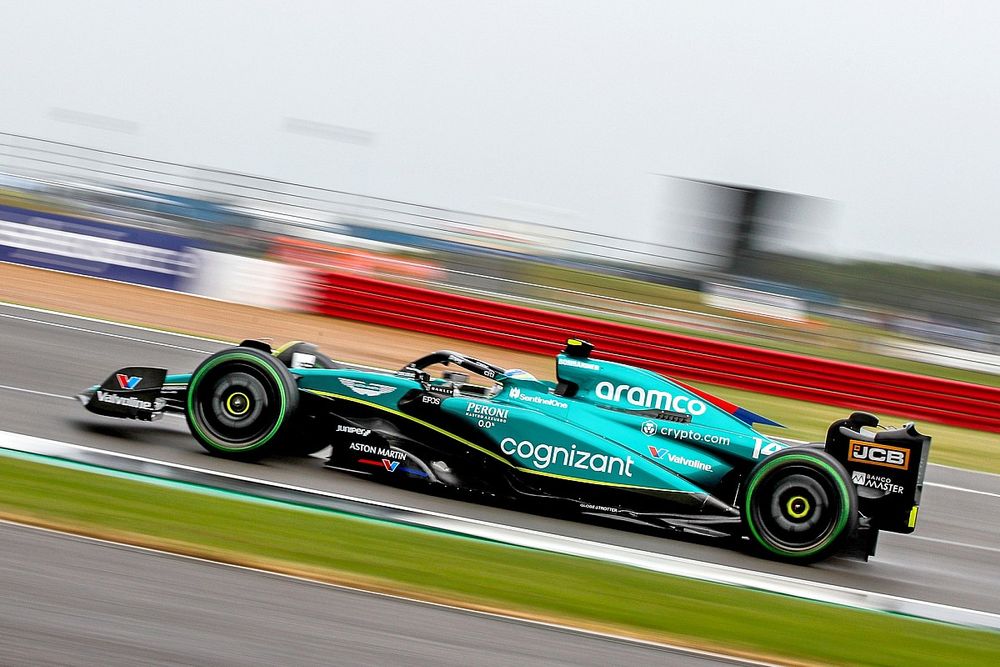
Yo, fam! You know that feeling when you’re in a competition, and someone just seems to find a loophole, a clever way to get ahead that makes everyone else side-eye them? Well, that’s exactly the kind of drama brewing in the high-octane world of Formula 1, and trust me, it’s got that familiar Kenyan flavour of hustle, suspicion, and the eternal debate between smart play and outright cheating. As the final pre-season tests for F1 2026 kick off in Bahrain, the real action might be happening off-track, in heated meetings about engine rules and race starts. And Mercedes is right in the middle of the storm.
So, What’s the F1 Tea Being Spilled?
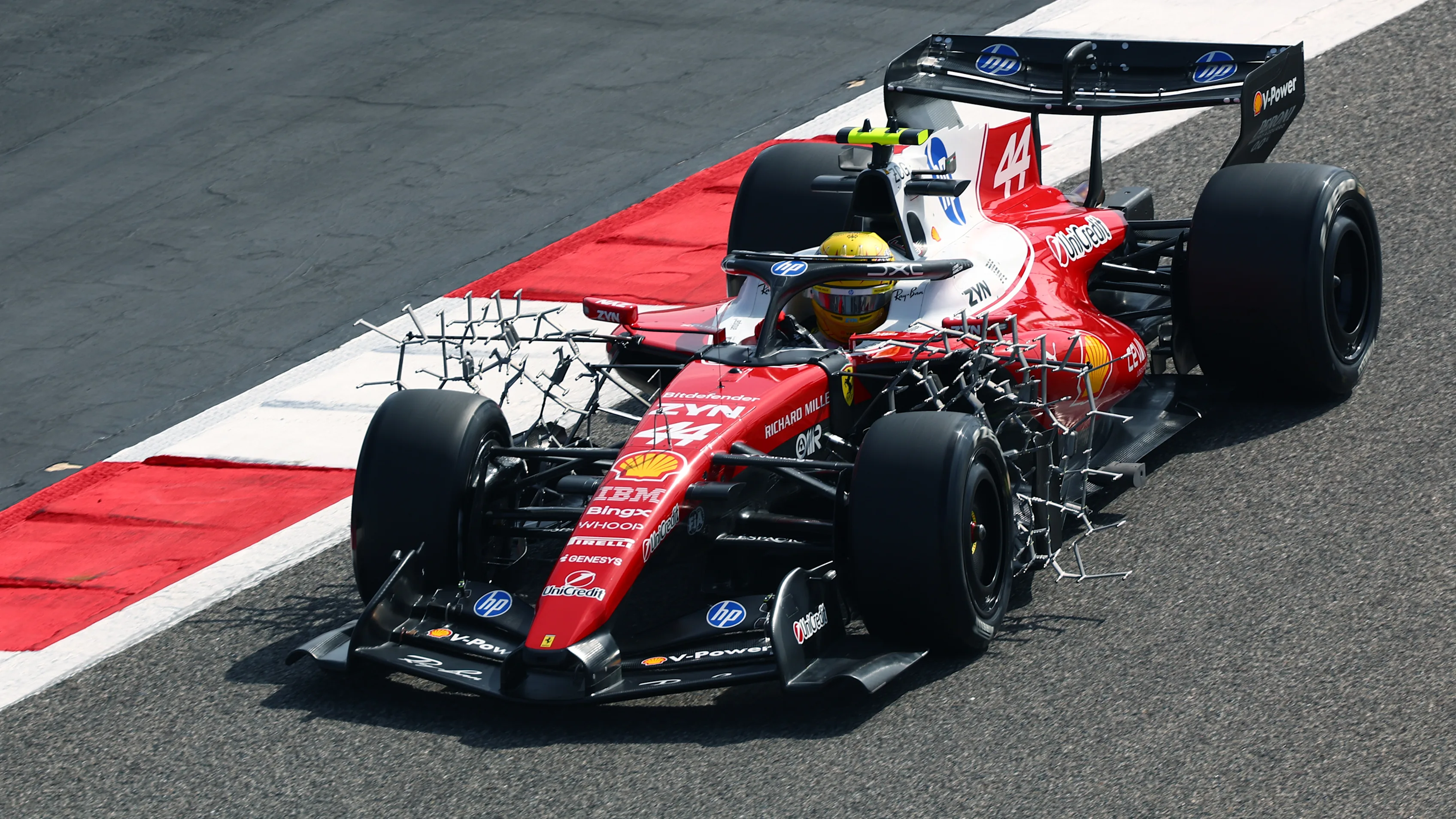 Two major issues are dominating the F1 paddock. First, there’s a massive dispute over the new engine regulations for 2026, specifically around the compression ratio limit. Rumours are swirling that Mercedes (and initially Red Bull) might have found a clever way to design their engines to achieve a higher compression ratio than what rivals believe is the spirit of the new rules. The limit was lowered from 18.0 to 16.0, but measurements are only taken when the engine isn’t running at full temperature. Rivals like Ferrari, Honda, and Audi are crying foul, suggesting Mercedes found a loophole to get an unfair advantage.
Then there’s the race start procedure. With new power units, drivers are struggling to get off the grid smoothly. Teams are pushing for more time between the cars lining up and the lights going out, arguing it’s a safety issue. But Ferrari, having designed their engine with the current start challenges in mind, is reportedly against any changes. It’s a classic case of some teams wanting to adapt the rules to their advantage, while others want to stick to what was agreed.
Why This Matters to Kenyans: The Hustle, the Rules, and the Side-Eye
Now, you might be thinking, “What’s F1 got to do with me, a Kenyan trying to make ends meet?” Plenty, actually! This F1 drama is a microcosm of life. It’s about the hustle – pushing boundaries, finding creative solutions, and trying to get an edge in a highly competitive environment. Every Kenyan knows that feeling of trying to navigate a system, looking for that one advantage that can make a difference.
But it also brings up the age-old question: when does clever hustle cross the line into bending the rules, or even outright cheating? We see it everywhere, from tenders to exams. The F1 teams are essentially having a very public debate about this. Are Mercedes just smarter engineers, or are they trying to pull a fast one? And what does it say about the integrity of the competition when the rules are constantly being debated and reinterpreted?
The Street-Level Perspective: “Kujipanga” vs. “Kupiga Shortcut”
 Imagine you’re running a small business in Nairobi. You’ve got competitors, tight margins, and regulations. If you find a clever, legal way to cut costs or improve your product, that’s kujipanga – smart planning, good hustle. Everyone respects that. But if you start kupiga shortcut – cutting corners, bending rules, or finding loopholes that give you an unfair advantage – then that’s where the side-eye comes in. People start questioning your integrity.
That’s the vibe in F1 right now. Toto Wolff, the Mercedes boss, initially told rivals to “get your s*** together” and accused them of making “excuses.” Sounds like a typical Kenyan politician dismissing critics, right? But then his tone softened, suggesting even he knows that public perception and the spirit of the rules matter. It’s a constant dance between aggressive competition and maintaining credibility.
The Overlooked Angle: The Power of the Super Majority and the Small Fish
This isn’t just about engineers; it’s about power dynamics. For a rule change to happen, a “super majority” is needed. This means if the FIA and FOM (the sport’s governing and commercial bodies) side with the other four engine manufacturers against Mercedes, they can force a change. This shows how even in a sport dominated by big money, collective action can challenge the perceived dominance of a few.
And what about the smaller teams? Mercedes supplies engines to McLaren, Williams, and Alpine. If Mercedes is forced to alter its power unit, it could negatively impact all these customer teams. This highlights how decisions at the top can have ripple effects down the chain, affecting those with less power and influence – a familiar story in many sectors, even here in Kenya.
Real Talk Reflection: Is Fair Play Just a Myth?
When you see multi-million-dollar teams and brilliant engineers debating the exact interpretation of a compression ratio or a start procedure, it makes you wonder: is true fair play even possible in high-stakes environments? Or is it always about finding the edge, pushing the limits, and seeing what you can get away with?
For young Kenyans, this F1 drama is a reminder that rules are often interpreted, not just followed. It’s a lesson in understanding the fine print, the power of lobbying, and the importance of collective voice when you feel the game isn’t being played fairly. It’s also a call to demand clarity and transparency, because a “grey area” in the rules often benefits those with the most resources to exploit it.
The Final Lap: Black or White, No Grey Areas?
Ferrari’s team principal, Fred Vasseur, summed it up perfectly: “Now the most important [thing] is to take a decision because to stay grey is not a solution, it has to be black or white.” This sentiment resonates deeply. In a world where clarity is often sacrificed for ambiguity, demanding clear rules and fair enforcement is crucial. Whether it’s on the F1 track or in the streets of Nairobi, the demand for a level playing field, where the hustle is respected but shortcuts are called out, remains constant. Let’s see if F1 can deliver that clarity, because Kenya is watching, and we know a good hustle from a shady deal when we see one.