

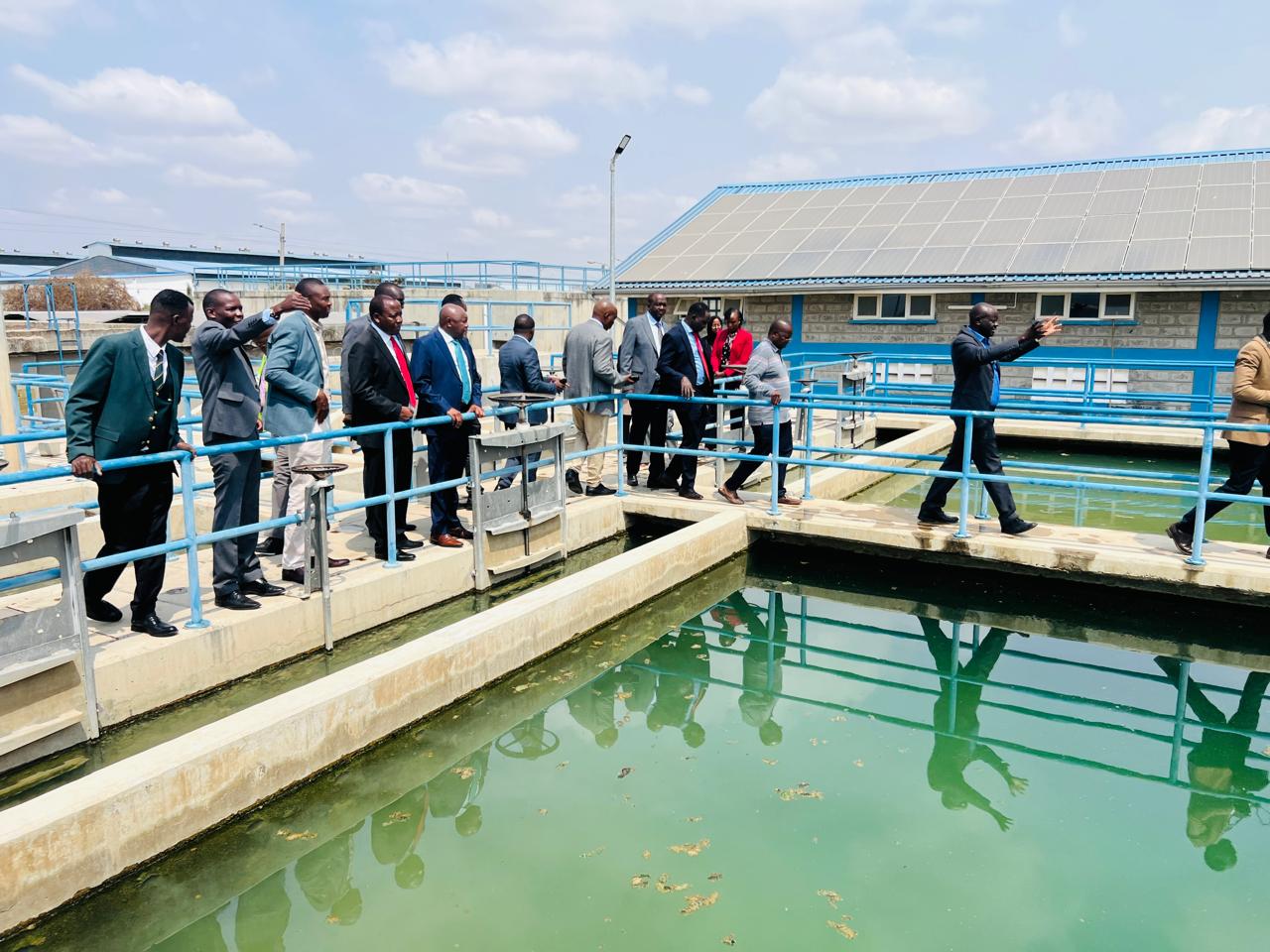
Yo, fam! Ever heard that classic line, “Finish what you started”? Well, it seems our Ministry of Water, Sanitation and Irrigation needs a serious reminder. Just when you thought you’d seen it all, they’re out here asking for more billions to kick off new projects, while countless existing ones across the country are gathering dust, unfinished and forgotten. But this time, the House Committee on Blue Economy, Water and Irrigation is saying, “Wacha!” They’ve warned the Ministry to pump the brakes, demanding they complete the stalled projects before even thinking about fresh initiatives. Is this a genuine push for accountability, or just another round of political theatrics while Kenyans still struggle for a clean glass of water?
So, What’s the Budget Battle Brewing?
The drama unfolded during a committee meeting on February 23rd, where the Water Ministry presented its case for additional funding under the 2026 Budget Policy Statement (BPS). Their request? To hike their budget ceiling from Ksh 56.8 billion to a staggering Ksh 120.1 billion. The reason, according to Water Cabinet Secretary Eric Mugaa,  is pressing service delivery obligations, increasing demand, and the urgent need to expand irrigation due to climate change and food security concerns. Principal Secretary for Water and Sanitation, Julius Korir, echoed this, arguing that without the increased budget, equitable access to clean water would remain a pipe dream. The PS for Irrigation, CPA Ephantus Kimotho, even warned that insufficient funding would disrupt ongoing projects and lead to more pending bills.
But the MPs on the committee, led by voices like Marakwet East MP Kangogo Bowen, were not buying it. Their message was clear: you can’t ask for more money for new ventures when you haven’t delivered on the old ones. “You cannot spend what’s not available nor stretch beyond the limits. You can’t say you have a shortage of resources when you keep bringing new projects,” Bowen stated, hitting the nail on the head.
Why This Matters to Kenyans: The Dry Taps and Empty Promises
This isn’t just a parliamentary debate; it’s a direct hit on the daily realities of millions of Kenyans. Imagine living in an area where a water project was launched with much fanfare, promises of clean, accessible water, only for it to stall halfway, leaving you still fetching water from distant, unsafe sources. This is the story of countless communities across Kenya. When the Ministry asks for more money for new projects, it feels like a slap in the face to those still waiting for the old promises to be fulfilled.
Water is life, and food security is paramount. The Ministry’s arguments about climate change and the need for irrigation are valid. But how can we trust them with new billions when their track record on existing projects is, shall we say, a bit murky? This situation highlights a fundamental breakdown in accountability and trust between the government and its citizens, especially when it comes to essential services.
The Street-Level Perspective: Ghost Projects and the Hustle for Water
Walk through any rural or peri-urban area in Kenya, and you’ll likely stumble upon a “ghost project” – a half-dug trench, a rusting water tank, or a foundation that never saw a wall. These are the physical manifestations of stalled projects, monuments to unfulfilled promises.  For the youth, who are constantly hustling to make ends meet, the lack of reliable water means more time spent fetching, less time earning, and higher costs for basic survival.
The irony is not lost on anyone: while the Ministry talks about billions, many Kenyans are still paying exorbitant prices for water from vendors, or risking their health with contaminated sources. The idea of expanding irrigation for food security sounds great, but what about the farmers whose existing irrigation projects are incomplete, leaving their crops vulnerable to drought? The disconnect between the grand plans in Nairobi and the harsh realities on the ground is stark.
Deep Analysis: The Cycle of Incompletion and the Pending Bills Headache
The House Committee’s warning cuts to the core of a systemic problem in public project management: the tendency to launch new initiatives before completing existing ones. This creates a vicious cycle of stalled projects, accumulating pending bills, and a constant demand for more funds. The Ministry’s argument that insufficient funding would disrupt ongoing projects and lead to more pending bills is a classic chicken-and-egg scenario. Is the funding truly insufficient, or is it mismanaged, or spread too thin across too many projects?
This also raises questions about procurement and oversight. Why are projects stalling? Is it due to corruption, poor planning, or genuine financial constraints? The MPs’ insistence on prioritizing completion before new funding is a crucial step towards breaking this cycle and ensuring that taxpayer money is used efficiently and effectively. It’s a call for fiscal discipline and a focus on tangible results over ambitious, but often unrealized, plans.
Real Talk Reflection: Are We Being Played?
For many Kenyans, this whole scenario feels like a familiar script. The government asks for more money, citing urgent needs, while existing problems persist. It makes you wonder if the system is designed to keep projects perpetually unfinished, creating endless opportunities for budget allocations and, perhaps, other things. The frustration is palpable: we pay our taxes, we demand services, but often, we get excuses and more requests for money.
It’s a moment to question the narrative. Is the climate change argument being used as a convenient shield for poor project management? Are the “pressing service delivery obligations” genuinely new, or are they a result of neglecting existing ones? The public deserves clear, transparent answers, not just more requests for billions.
The Final Drop: Finish What You Start, For Kenya’s Sake!
As the House Committee stands firm against the Water Ministry’s thirst for new billions, it’s a critical moment for accountability in Kenya’s development agenda. The message is simple, yet profound: prioritize the completion of existing projects. Let’s ensure that every shilling allocated is used to bring clean water to dry taps and irrigation to parched lands, not to launch another set of ghost projects. For Kelele Digital, this is a call for our leaders to truly serve the people, to honor their promises, and to finish what they start. Because until every Kenyan has access to basic services, no new project, however grand, can truly be called progress. Let’s get those taps running, fam!


