

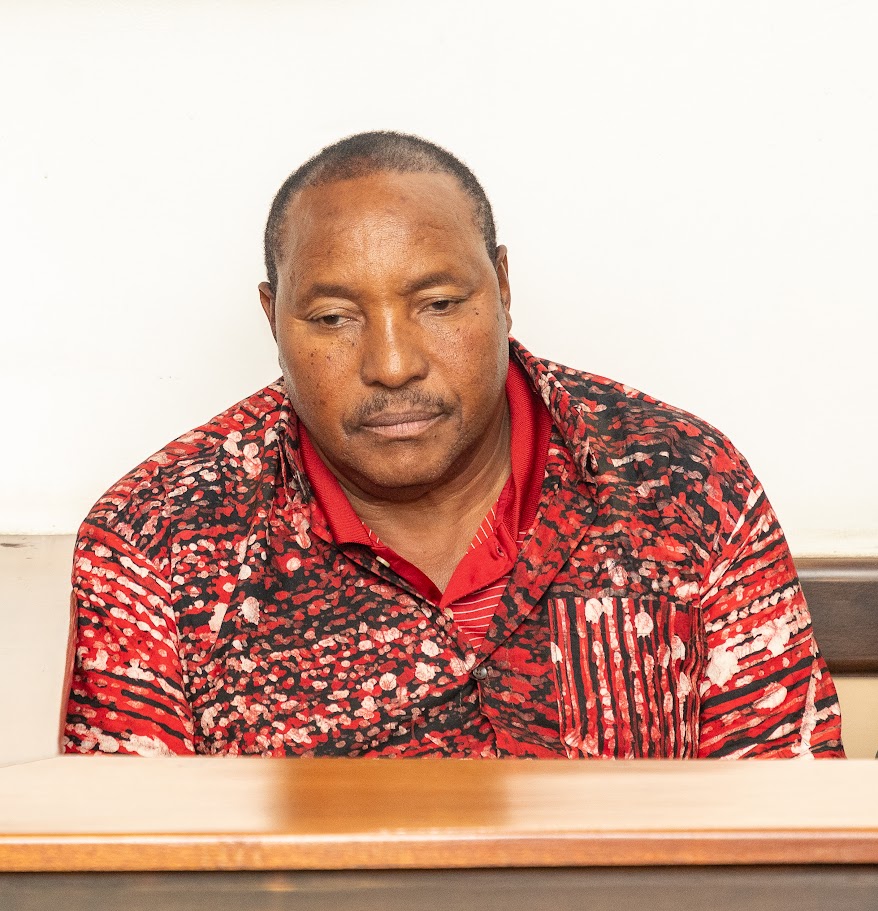
Remember the name Ferdinand Waititu? The former Kiambu Governor, famously known as ‘Baba Yao,’ has been a fixture in Kenya’s graft headlines for years. After a stint in Kamiti Maximum Prison, he’s out on bail again, sparking conversations across the country. For many young Kenyans hustling daily, watching high-profile individuals navigate the justice system with what seems like a different rulebook can be frustrating. Is this a sign of a justice system that works for some and not others, or just the complex dance of legal technicalities? Let’s break down what happened and why it matters beyond the courtroom.
So, what’s the latest twist in the Waititu saga? Ferdinand Waititu has been released from Kamiti Maximum Prison after the Milimani High Court reviewed his bail terms. He’s now out on a Ksh20 million cash bail, significantly lower than the initial figures, along with two sureties valued at not less than Ksh30 million each. His lawyer, Jeremy Njenga, confirmed his release, stating, “I am holding brief for the appellant who is now a free man.” This comes after Waititu was convicted in February for failing to safeguard public funds, specifically for irregularly receiving Ksh25 million from a company following an unlawful tender award. The court had initially ordered him to pay a fine of Ksh53.5 million or serve 12 years in prison. His wife, Susan Wangare, also involved in the case, was fined Ksh500,000 or a one-year prison sentence. Waititu’s legal team had previously argued he couldn’t secure a bank guarantee due to the ongoing case, leading to the bail review. This release comes despite a ruling in September that declined his application to overturn his 12-year imprisonment sentence, citing a lack of proper grounds for appeal.
Why This Matters to Kenyans: The Perception of Justice and the Cost of Graft
 This isn’t just about one politician; it’s about the broader implications for Kenya’s fight against corruption and the public’s trust in the justice system. Here’s why this hits home:
- The ‘Big Fish’ Narrative: For years, Kenyans have yearned to see ‘big fish’ convicted and serve time for corruption. When a high-profile individual, convicted of graft, is released on bail, it often fuels cynicism about whether justice truly applies equally to all, regardless of their status or wealth.
-
Impact on Public Funds: The Ksh588 million graft case and the Ksh25 million irregular payment are not abstract figures. They represent money that could have built roads, equipped hospitals, or funded youth empowerment programs. Waititu’s case is a stark reminder of how corruption directly impacts the quality of life for ordinary citizens.
-
Justice Delayed, Justice Denied?: The lengthy legal battles and appeals in graft cases often leave Kenyans feeling that justice is slow, cumbersome, and ultimately, favors those with resources to navigate it. This can erode faith in the judiciary and the anti-corruption agencies.
-
Accountability in Leadership: The initial conviction sent a strong message about accountability for public officials. His release, while legal, can be perceived as a softening of that stance, raising questions about the seriousness with which graft is treated.
Street Talk: “Pesa Huongea” (Money Talks)
In the matatus, on social media, and in local gatherings, the conversation around Waititu’s release would be charged. “Pesa huongea” (Money talks) would be a common sentiment, reflecting the belief that wealth can influence legal outcomes. Many would express frustration, asking, “Mbona sisi maskini tukifanya makosa kidogo tunafungwa, lakini wao wanatoka?” (Why are we, the poor, jailed for minor offenses, while they walk free?). There would be a sense of resignation, perhaps even anger, that despite convictions, the powerful often find ways to circumvent the full force of the law. The perception of a two-tiered justice system – one for the rich and one for the poor – would be amplified.
Deep Analysis: The Nuances of Bail and the Fight for Systemic Change
 While the public reaction is understandable, it’s important to delve into the legal nuances. Bail is a constitutional right, and its purpose is to ensure an accused person attends court, not to punish them before conviction. However, the optics of a high-profile individual, convicted of graft, securing a reduced bail after being unable to meet previous terms, raises critical questions:
- Bail Conditions vs. Public Perception: While legally sound, the review of bail terms for a convicted individual, especially one involved in significant graft, can be difficult for the public to reconcile with the broader fight against corruption. It highlights the tension between legal principles and public demand for punitive justice.
-
The Role of Appeals: The legal process allows for appeals, and bail can be granted pending these appeals. This is a fundamental aspect of due process. However, the prolonged nature of these appeals in Kenya often means that justice, when it finally arrives, feels distant and less impactful.
-
Beyond Individual Cases: Waititu’s case, like many others, underscores the need for systemic reforms in how graft cases are prosecuted and concluded. Faster trials, stricter enforcement of asset recovery, and a more transparent bail system could help restore public confidence.
-
The Cost of Legal Battles: The ability to afford high-powered legal teams and navigate complex court processes is a privilege. This disparity often leaves ordinary citizens feeling disadvantaged, further fueling the perception of an unequal justice system.
This isn’t just about Waititu; it’s about the integrity of our institutions and whether they can truly deliver justice that is both fair and seen to be fair by all Kenyans.
Real Talk Reflection: “Hii Kenya Yetu…”
“Hii Kenya yetu…” (This Kenya of ours…) would be the sigh heard across the nation. It’s a phrase that encapsulates a mix of love, frustration, and a deep-seated desire for things to be better. The Waititu case, like many others, serves as a painful reminder of the ongoing struggle against corruption and the slow, often disheartening, pace of justice. For the youth, who are constantly told to work hard and follow the rules, these events can be demoralizing, making them question the very principles of fairness and meritocracy they are taught to uphold.
The Long Road to Justice: Will Kenyans Ever See a Level Playing Field?
Ferdinand Waititu’s release on bail is more than just a legal development; it’s a moment that forces Kenyans to confront uncomfortable truths about their justice system and the persistent battle against corruption. While the legal process unfolds, the court of public opinion continues to deliberate, often with a heavy heart. For Kelele Digital, this story is a call to action: to keep demanding transparency, accountability, and a justice system where the scales are truly balanced for everyone, not just those with deep pockets. Will Kenyans ever truly see a level playing field where graft is unequivocally punished, and justice is swift and equitable? The answer lies in our collective vigilance and unwavering demand for a better Kenya.


