

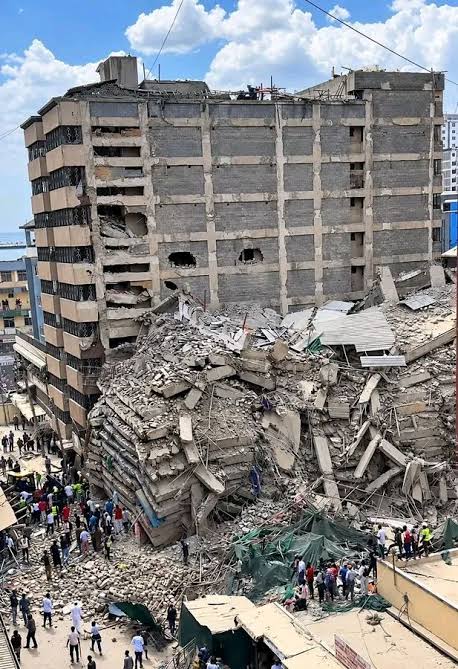
Eastleigh Building Collapse:
The Eastleigh building collapse raises urgent questions about construction approvals, inspections, enforcement and accountability in Nairobi.
The collapse of a multi-storey building under construction in Eastleigh, Nairobi, on 23 October 2026 has renewed concerns about construction safety, regulatory oversight and the protection of people living and working in the city.
The incident occurred along Yusuf Haji Avenue in the Eastleigh area, prompting an emergency response as rescuers searched through the rubble for people who might have been trapped. Reports from the scene indicated that the ground floor had been occupied, raising further concerns about the risks faced by workers, traders and members of the public.
The Engineers Board of Kenya subsequently announced an investigation to establish the factors that may have contributed to the collapse and the role of engineers involved in the project. Nairobi Governor Johnson Sakaja also said the building lacked an occupation certificate, despite having received construction approvals.
These developments raise an important question: how can a building receive construction approval yet still expose people to potentially fatal risks?
Construction approval is not the end of the process
Approving a building plan is only one part of ensuring structural safety. Construction must follow the approved design, qualified professionals must undertake their responsibilities, and the relevant authorities must conduct appropriate inspections.
Before a building is occupied, the necessary approvals and certificates must also be in place.
The reported occupation of the building’s ground floor raises questions about whether the required safeguards were followed and whether enforcement mechanisms were adequate.
Investigators will need to establish what happened, whether construction complied with approved plans, and whether any professional or regulatory failures contributed to the incident.
It is important to distinguish these questions from proven findings. The investigation must establish responsibility based on evidence rather than speculation.
Who should be held accountable?
Building safety involves several parties, including developers, property owners, architects, structural engineers, contractors, site supervisors and regulatory authorities.
Each has specific responsibilities under the applicable laws and professional standards.
Where a breach is established, the responsible parties should face the appropriate legal or professional consequences. Equally, investigations should be transparent enough to help the public understand what went wrong and what corrective action will follow.
The incident also highlights the need for effective coordination between county authorities and the relevant national regulatory bodies. Approvals, inspections, enforcement and emergency response should work together to protect lives.
The wider problem of urban development
Nairobi continues to experience intense demand for housing, commercial space and rental properties. Eastleigh, a busy commercial and residential neighbourhood, illustrates the challenges of accommodating growing economic activity in a densely populated urban environment.
Rapid development must not come at the expense of structural integrity or public safety.
Buildings under construction should be secured against unauthorised access, and people should not be exposed to avoidable hazards simply because a property is commercially active.
County authorities also need accessible channels through which residents can report suspected unsafe construction, unauthorised alterations or buildings that appear structurally compromised.
What needs to happen next?
The immediate priority is the safety of anyone who may still be affected by the collapse. Beyond the emergency response, the public deserves a clear account of the findings and the measures intended to prevent a similar incident.
Authorities should establish the circumstances of the collapse, communicate verified findings, enforce applicable building regulations and review whether existing inspection systems are working effectively.
Property developers and professionals must also recognise that compliance is not merely a paperwork exercise. It is a responsibility that directly affects human life.
A question of public trust
When a building collapses, the consequences extend beyond damaged property. Families may lose loved ones, workers may lose their livelihoods, traders may lose businesses, and confidence in public institutions may be weakened.
The Eastleigh tragedy should therefore prompt more than temporary inspections and public statements. It should lead to evidence-based investigations, accountability where wrongdoing is established and lasting improvements in construction oversight.
Kelele Digital asks: Are Nairobi’s building inspection and enforcement systems strong enough to protect residents, workers and businesses? What changes would make the biggest difference?
This article reflects publicly reported information available at publication time. The causes of the collapse and any individual responsibility remain subject to investigation.
Join the conversation on Kelele Digital.
#KeleleDigital #Eastleigh #BuildingSafety #Nairobi #PublicSafety #Accountability


