

Ever felt like the big promises from ‘above’ rarely trickle down to your pocket? Well, Deputy President Kindiki just wrapped up a tour in Kwale, talking billions for our blue economy. On paper, it sounds like a dream: new ports, research centres, and academies. But for the young hustlers along the coast, the real question isn’t just about the shiny new infrastructure, it’s about whether this ‘blue economy’ will actually put blue notes in their hands.
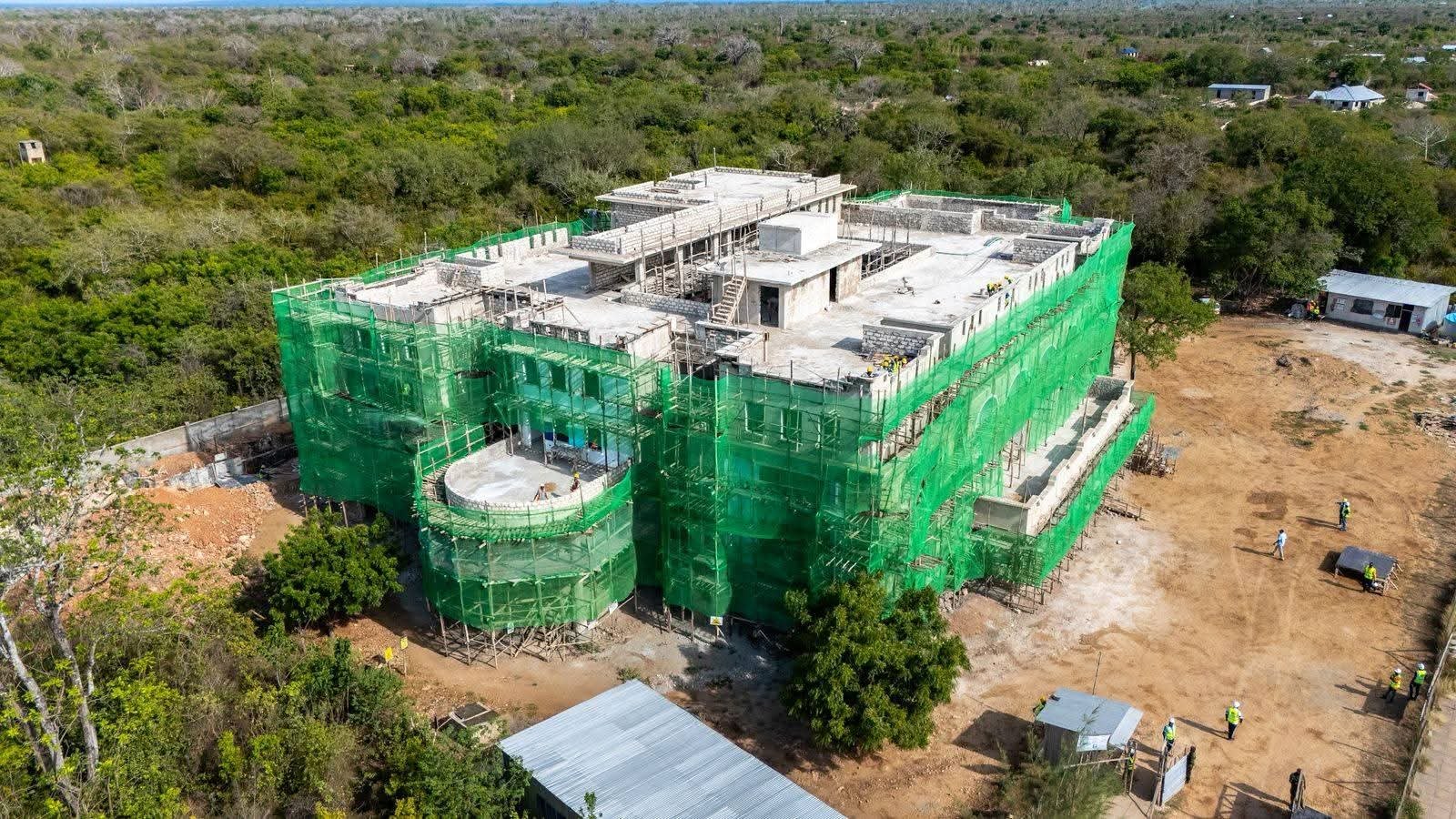
So, what’s the 411? DP Kithure Kindiki was down in Shimoni, Kwale County, checking out some serious government investments in marine and fisheries projects. The biggest headline grabber is the Sh2.7 billion Shimoni Fish Port, which is apparently ready to roll. Think bigger, better facilities for handling, storing, and exporting fish, aiming to connect local fishermen to international markets. He also visited the Sh1.4 billion National Marine Culture Research Centre, currently 70% complete, and the Sh600 million Maritime Academy on Port Logistics at Kombani, which is 95% done. Beyond the big-ticket items, there’s talk of Sh652 million disbursed to Beach Management Units, 70 new fishing boats, a search and rescue vessel, and even plans for deep-sea fishing vessels. The goal? To uplift coastal communities, create jobs, and boost the economy through our marine resources.
Why This Matters to Kenyans: Not Just Fish, But Futures
Forget the fancy terms for a minute. This isn’t just about fish; it’s about opportunity. For years, coastal communities, especially the youth, have grappled with limited economic options. Fishing, while a tradition, often remains small-scale and vulnerable. These projects, if managed right, could be a game-changer. We’re talking about:
- Jobs, Jobs, Jobs: From port operations and logistics to fish processing, marine research, and even boat building, the potential for employment is huge. The Maritime Academy, in particular, is designed to equip young people with the skills needed for these new roles.
- Value Addition: Moving beyond just catching fish to processing, packaging, and exporting means more money stays in Kenya, creating a stronger local economy.
- Food Security & Trade: A modern port means better access to fresh, quality seafood for Kenyans and a stronger position in the global seafood market.
- Empowerment: Direct support to fisherfolk groups and new boats could empower local communities to take more control of their livelihoods.
Street Talk:
The whispers on the streets, in the matatus, and WhatsApp groups often revolve around one thing: will this actually work for us, ama ni story tu? Many young people in Kwale have seen projects come and go, promises made and broken. The cost of living is biting, and jobs are scarce. So, when a DP comes to town talking billions, the immediate thought is, “How does this translate to my daily bread?” Will the jobs go to locals, or will they be snapped up by outsiders? Will the small-scale fishermen be integrated into this grand vision, or will they be pushed aside by bigger players? These are the real questions that keep people up at night.
The Unseen Currents: Beyond the Billions
While the numbers are impressive, the real story lies in the implementation and inclusivity. The blue economy isn’t just about infrastructure; it’s about people. A common oversight in large-scale government projects is the failure to genuinely engage and empower the local communities who are meant to benefit. For this to truly be a win for Kwale, several things need to be critically examined:
- Local Ownership: How will Beach Management Units (BMUs) and individual fisherfolk be supported to truly own and benefit from the new port and value chains? Are there clear mechanisms to prevent exploitation by middlemen or larger corporations?
- Skill Gap vs. Opportunity: The Maritime Academy is a brilliant idea, but are the youth aware of these opportunities? Is the curriculum aligned with the actual needs of the new industries? And importantly, are there enough spaces for everyone who needs them?
- Environmental Sustainability: Increased fishing and port activity can have significant environmental impacts. What measures are in place to ensure the long-term health of our marine ecosystems, which are the very foundation of this blue economy?
- Transparency and Accountability: With billions being invested, how will the government ensure that funds are used efficiently and that corruption doesn’t derail these ambitious plans? Kenyans are tired of projects that become white elephants.
This isn’t just about building a port; it’s about building a sustainable future for a region that has often felt marginalized. The success of these projects won’t be measured by the concrete poured, but by the number of young Kenyans who find dignified work, the families whose lives are improved, and the communities that thrive.
Real Talk: “Hii Sio Kazi Ya Kusema Tu”
 Let’s be honest. When we hear about billions being pumped into a region, a part of us gets excited, but another part is skeptical. “Hii sio kazi ya kusema tu, ni ya kufanya,” someone might say in a WhatsApp group. It’s easy to announce projects, but the real test is in the follow-through. Will the youth from Shimoni, Lunga Lunga, and Kombani actually get the first crack at these jobs? Will the small-scale fishermen see their catches fetch better prices? Or will this just be another big project that benefits a select few, leaving the majority still struggling?
The hope is real, especially for those yearning for a chance to build a better life. But so is the caution. Kenyans are smart; they know that promises need to be backed by tangible results that touch their lives directly. This blue economy initiative has the potential to be a beacon of hope, but only if it genuinely empowers the people it claims to serve, moving beyond political rhetoric to real, impactful change.
The Ocean’s Promise: Will Kwale’s Youth Finally Ride the Wave?
The Indian Ocean has always been a source of life and livelihood for the people of Kwale. Now, with billions being invested, there’s a chance for it to become a source of unprecedented opportunity. But for this wave of development to truly lift all boats, it needs more than just concrete and cash. It needs genuine commitment to local empowerment, transparent execution, and a deep understanding of the everyday struggles of Kenyan youth. Kelele Digital will be watching, because the future of Kwale’s young generation depends on whether these grand visions translate into real, tangible progress on the ground. Will this be the moment Kwale’s youth finally ride the wave of prosperity, or will they be left watching from the shore? Only time, and transparent action, will tell.


