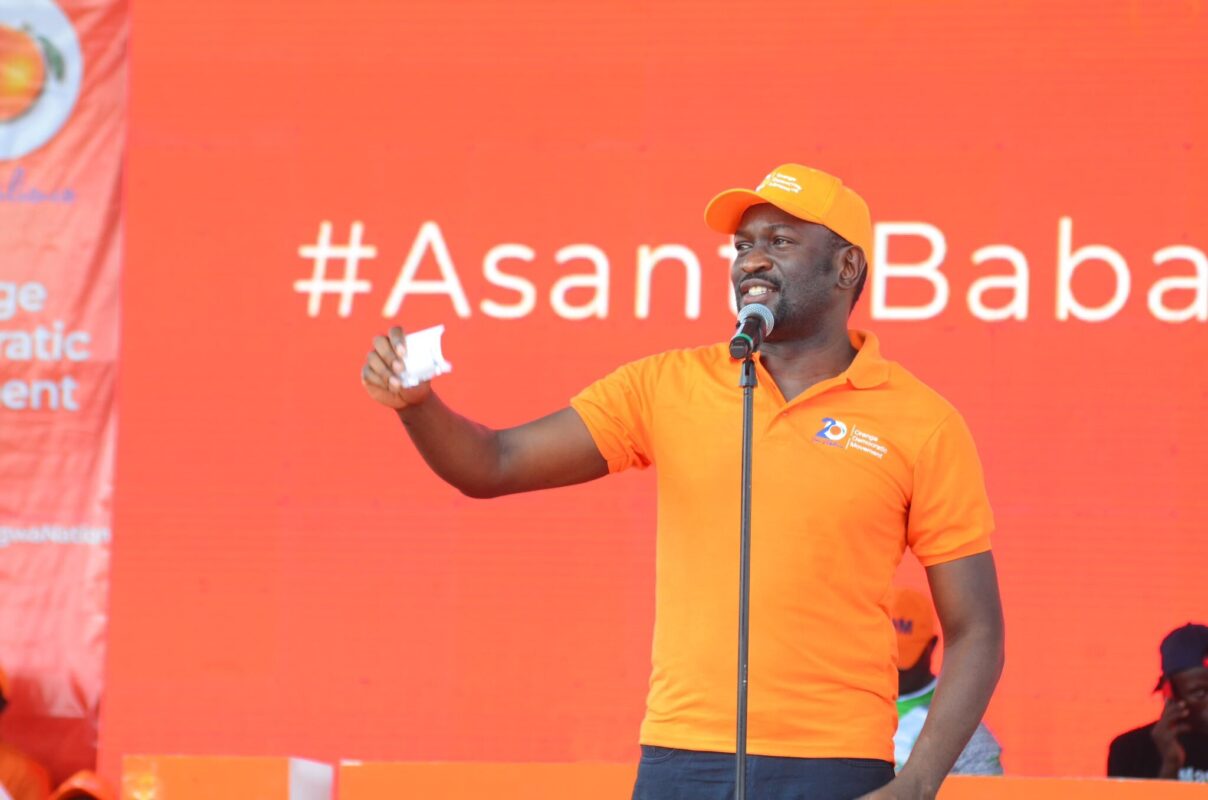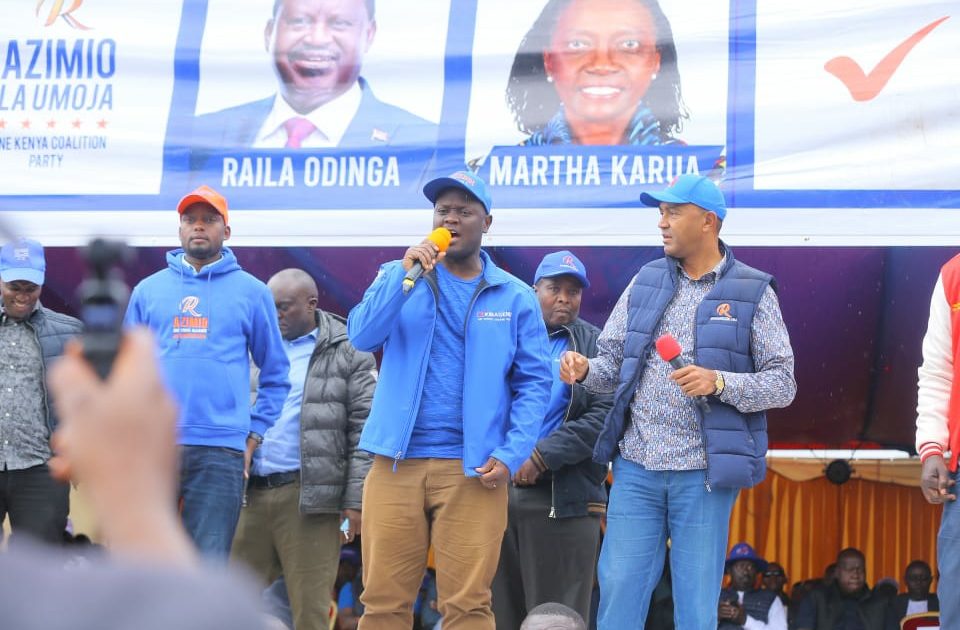
Yo, fam! Grab your popcorn, because the political drama in Kenya just hit a new level. Kitutu Chache South MP Anthony Kibagendi, known for not mincing his words, has been indefinitely suspended from Parliament by Speaker Moses Wetang’ula. His crime? Daring to question the independence of the House on national TV, suggesting it might have been “auctioned.” Now, Kibagendi is vowing to take the Speaker to court, turning this into a full-blown showdown between parliamentary authority and free speech. Is this about protecting the dignity of Parliament, or silencing dissenting voices?
So, What’s the Real Tea?
It all started when MP Kibagendi appeared on Citizen TV and, well, he went there. He raised serious concerns about Parliament’s autonomy, hinting that its leadership wasn’t doing enough to safeguard its independence. He basically implied that the House was no longer its own man, so to speak. Speaker Wetang’ula was not amused. Addressing MPs, he fired back, stating, “The moment you say the house is auctioned, you are part of the auctioned material.” Ouch.
Wetang’ula then dropped the hammer: Kibagendi is out, indefinitely, from all parliamentary proceedings, committees, and even his office, until he delivers a “properly worded apology.” The Speaker declared him a “stranger in the house.” But Kibagendi isn’t backing down. He insists his comments were within his rights and didn’t break any rules. He’s already instructed his lawyers to challenge the decision in court, arguing that the disciplinary procedures weren’t followed and that his constituents’ representation is now at stake.
Why This Matters to Kenyans: Beyond the Political Punch-Up
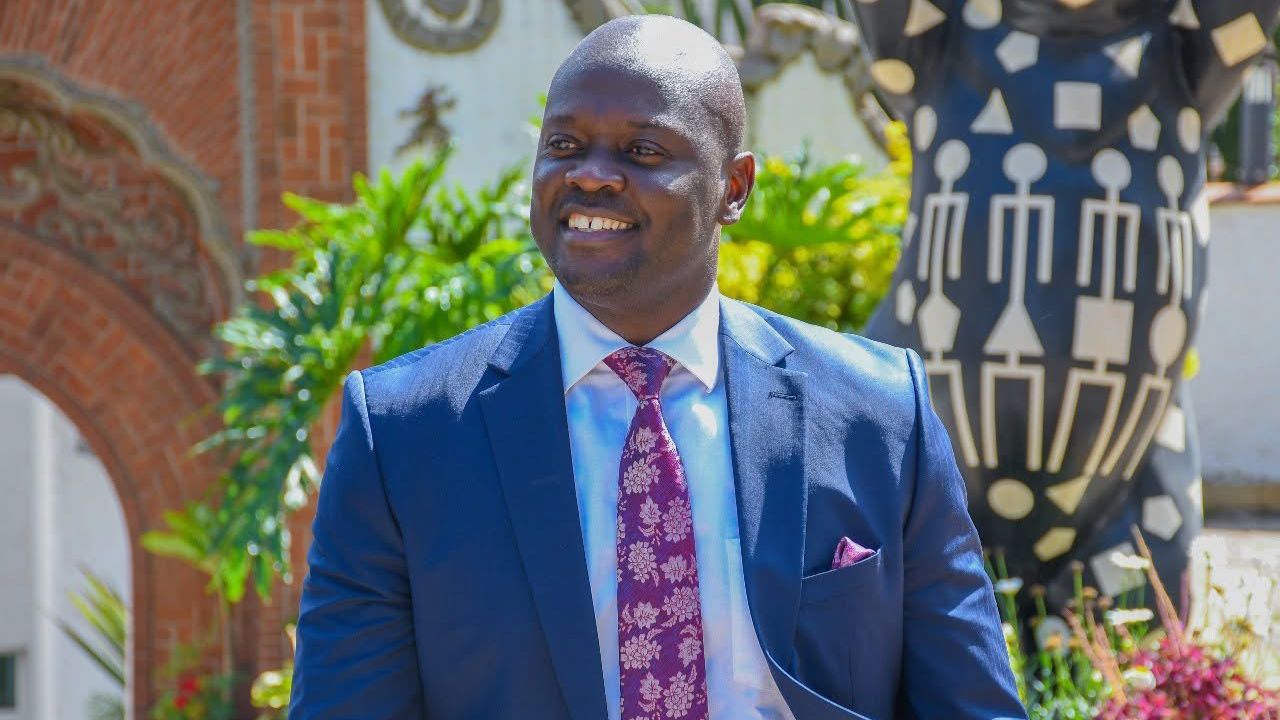 This isn’t just another political spat between two bigwigs. This is about the health of our democracy and the space for free expression. Parliament is supposed to be the voice of the people, a place where critical debate thrives. If MPs can be suspended for questioning its independence, what message does that send to ordinary citizens who also feel that institutions are being compromised?
For young Kenyans, who are constantly pushing boundaries and demanding accountability, this incident is a stark reminder of the fine line between critique and perceived insubordination. It forces us to ask: Is our Parliament truly independent, or is it becoming an echo chamber? And how much freedom do our elected representatives really have to speak truth to power, even within their own House?
The Street-Level Perspective: Matatu Debates and WhatsApp Outrage
Imagine the conversations happening in matatus and WhatsApp groups right now. “Huyu Kibagendi amejitafutia!” (Kibagendi brought this upon himself!) some might say, believing he crossed a line. Others will be cheering him on, seeing him as a brave voice against a system they feel is rigged. “Wanaogopa ukweli!” (They fear the truth!) will be the cry from those who believe Parliament is indeed compromised.
This incident taps into a deep-seated frustration among many Kenyans: the feeling that our institutions, meant to serve us, are often manipulated for political gain. The idea of Parliament being “auctioned” resonates because many feel that decisions are made behind closed doors, not in the best interest of the common mwananchi.
The Overlooked Angle: The Chilling Effect on Dissent
While Speaker Wetang’ula emphasizes protecting the dignity of the House, the indefinite suspension of an MP for expressing an opinion, however critical, could have a chilling effect. It might make other MPs think twice before speaking out, especially on sensitive issues. This could lead to a less vibrant, less critical Parliament, which ultimately harms the very democracy it’s meant to uphold.
Furthermore, Kibagendi’s argument about his constituents’ representation is crucial. When an MP is suspended, it’s not just one person being silenced; it’s thousands of voters who are temporarily left without a direct voice in the legislative process. Is the punishment fitting the “crime,” especially when it impacts the democratic rights of an entire constituency?
Real Talk Reflection: Where Do We Draw the Line?
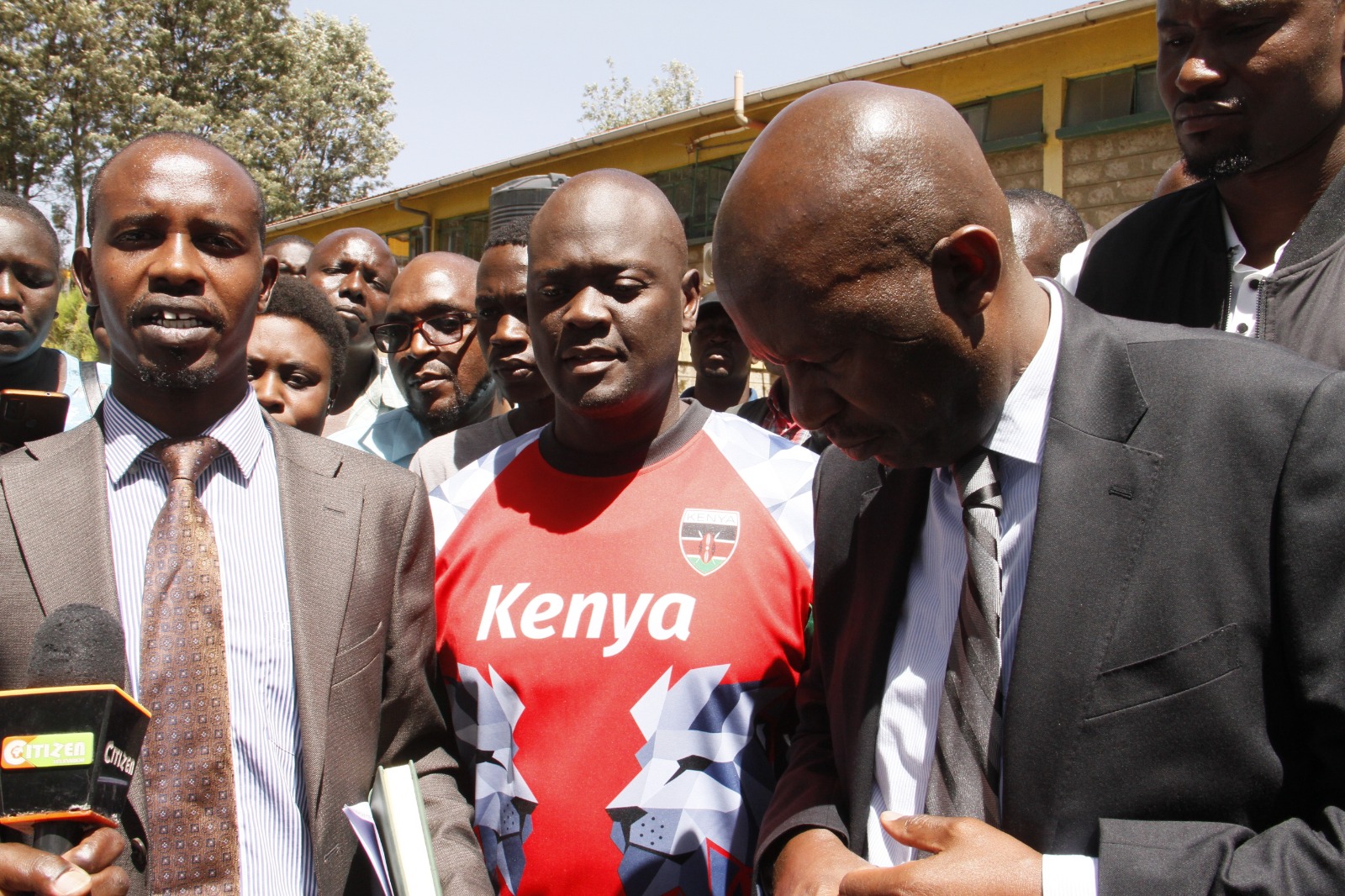 This whole saga forces us to confront uncomfortable questions about the boundaries of free speech, parliamentary privilege, and accountability. Is there a point where an MP’s critique of Parliament crosses into disrespect? Or should elected representatives have absolute freedom to express their views, even if those views are harsh?
It’s a delicate balance. We want a Parliament that is respected and orderly, but we also need one that is robust, independent, and unafraid to hold itself and the executive accountable. This incident is a test case for how far dissent can go before it’s deemed a threat to institutional integrity.
The Final Verdict: Courts to Decide, But the Conversation Continues
As Kibagendi prepares his legal challenge, the courts will now weigh in on what constitutes appropriate parliamentary conduct and the limits of a Speaker’s power. But regardless of the legal outcome, the conversation has been sparked. Young Kenyans are watching. They’re asking if their leaders are truly independent, if their voices are being heard, and if the institutions meant to protect their interests are truly serving them.
This isn’t just about Kibagendi; it’s about the kind of Parliament we want to build for the future. One that encourages robust debate, even when it’s uncomfortable, or one that prioritizes decorum over critical inquiry? The answer will shape the very fabric of our democracy. Let the debates continue, both in court and on the streets.