Yo, fam! Big news dropped this week that’s got everyone in the Lake Region talking. The government has officially kicked off the land acquisition process for the Naivasha-Kisumu Standard Gauge Railway (SGR) extension. Yeah, you heard that right – the Iron Snake is finally slithering its way to Kisumu, and eventually, Malaba. On paper, it sounds like a game-changer for Western Kenya, promising to unlock the region’s economic potential and boost the “Blue Economy.” But on the ground, for the Project Affected Persons (PAPs), it’s a mix of hope, anxiety, and a whole lot of questions.
So, What’s the Deal with This SGR Extension?
Basically, the SGR, which currently ends in Naivasha, is getting a facelift and a longer tail. This new phase, split into 2B (Naivasha to Kisumu) and 2C (Kisumu to Malaba), is meant to connect Mombasa and Nairobi all the way to Uganda, making Kenya a major player in the Northern Corridor trade route. Kenya Railways (KR) and the National Land Commission (NLC) held public forums in Kisumu to talk to communities about compensation and resettlement. They’re talking about identifying, surveying, and valuing land, with payments guided by existing land laws and market rates. Sounds official, right?
Why This Matters to Kenyans (Especially in the Lake Region)
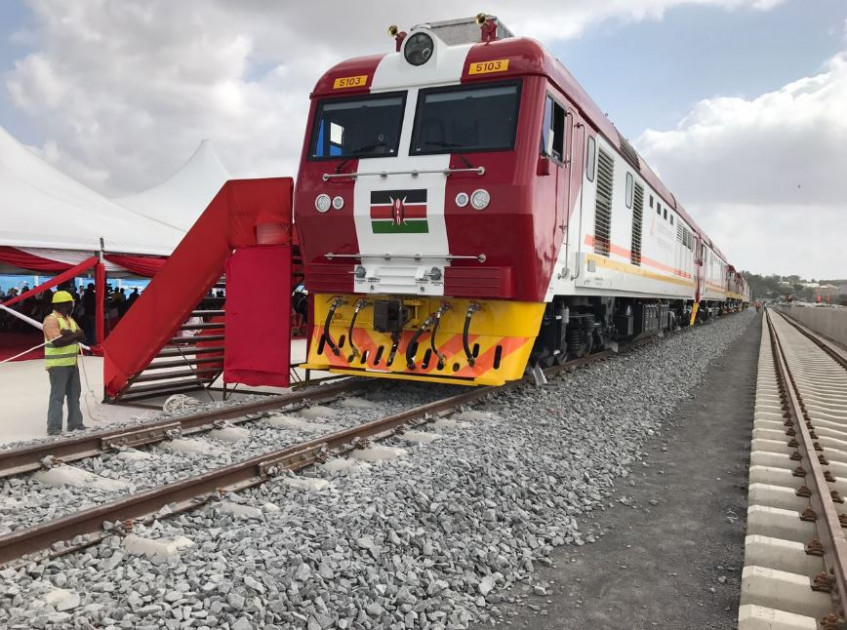 This isn’t just about a train track; it’s about the future of an entire region. For years, Kisumu has been promised a piece of the national development pie. The SGR extension, coupled with the revitalization of Kisumu Port, is touted as the key to unlocking jobs, boosting trade, and transforming the local economy. Imagine easier cargo movement, new businesses springing up, and young people finding opportunities right at home instead of flocking to Nairobi.
But here’s the flip side: mega-projects like the SGR have a history of controversy, especially when it comes to land. For thousands of families along the proposed route, this means their homes, farms, and livelihoods are directly impacted. The promise of compensation is great, but the reality of being displaced, even temporarily, can be devastating. This project could either be the engine of prosperity or another chapter in the long story of communities feeling shortchanged by national development.
The Street-Level Perspective: The Hustle for Fair Compensation
If you’ve lived in Kenya long enough, you know that “land acquisition” and “compensation” can be loaded terms. Past infrastructure projects have seen delays, disputes over valuation, and some people feeling like they got the raw end of the deal. The NLC and KR are saying they’ll follow laws and market rates, but for many, the fear is real: will the compensation truly reflect the value of their land and the disruption to their lives? Will the process be transparent, or will it be another maze of bureaucracy and potential corruption?
For the youth in Kisumu, who are already grappling with high unemployment, the SGR extension brings a mix of hope and skepticism. Will the promised jobs materialize? Will they be skilled jobs that require training, or just casual labor? And will local businesses truly benefit, or will the major contracts go to external players? The streets are watching, and they’re demanding accountability.
The Overlooked Angle: The Environmental and Social Cost
While the economic benefits are often highlighted, the environmental and social safeguards are equally critical, yet often overlooked. The SGR cuts through diverse ecosystems and communities. What measures are truly in place to manage displacement effectively, protect fragile livelihoods, and address environmental concerns along the route? We’ve seen how large-scale projects can sometimes leave a trail of ecological damage and social disruption. The long-term impact on Lake Victoria’s ecosystem, for instance, needs constant scrutiny. It’s not enough to just talk about safeguards; we need to see them rigorously implemented and monitored, with real consequences for non-compliance.
Real Talk Reflection: Is This Our Chance, or Just Another Promise?
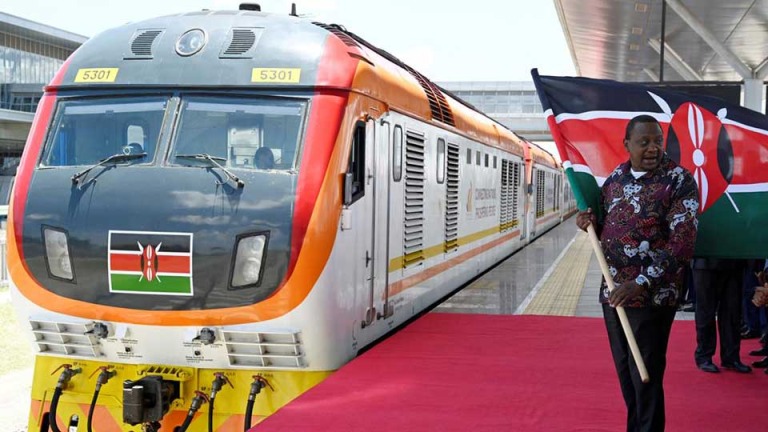 For many in Western Kenya, this SGR extension feels like a moment of truth. Is it finally the catalyst for the region to catch up, to truly harness its potential, and to create opportunities for its vibrant youth? Or is it another grand government project that promises much but delivers little to the common mwananchi, leaving a legacy of unfulfilled promises and displaced communities?
The skepticism is understandable. We’ve heard the promises before. But there’s also a genuine desire for progress, for a better future. The challenge for the government, Kenya Railways, and the NLC is to build trust, to ensure transparency, and to genuinely engage with the affected communities. This isn’t just about laying tracks; it’s about laying the foundation for a more equitable and prosperous future for an entire region.
The Final Whistle: All Aboard for Accountability?
As the bulldozers prepare to roll and the land acquisition process moves forward, the eyes of Western Kenya, and indeed the nation, will be on this project. The SGR to Kisumu has the potential to be a true game-changer, connecting communities, boosting trade, and creating a new era of opportunity. But its success won’t just be measured in kilometers of track laid or cargo moved. It will be measured in the lives it improves, the livelihoods it protects, and the trust it builds with the people it’s meant to serve. Let’s hope this Iron Snake truly brings prosperity, not just promises, to the heart of the Lake Region.