Yo, fam! Get ready to upgrade your driving game, because the National Transport and Safety Authority (NTSA) just dropped a major update on the new, shiny second-generation smart driving licenses. On the surface, it sounds like progress: digital cards, faster processing, and a promise to curb road carnage. But for the average Kenyan driver, especially those on the daily hustle, questions are popping up faster than potholes after a heavy rain. Is this truly about making our roads safer, or is it another sophisticated way to keep a digital eye on us and dip into our pockets?
So, What’s the Deal with This Smart License Upgrade?
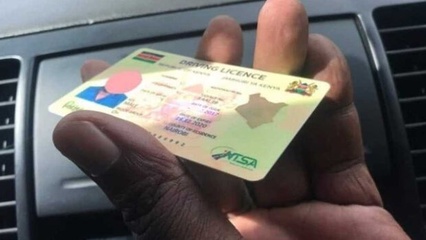
NTSA announced a Public-Private Partnership (PPP) to roll out these new smart licenses. We’re talking secure, five-layer polycarbonate cards with embedded chips that store your driver info electronically. The goal? To improve road safety, combat fraud, and link everything to a central system for better enforcement and tracking of traffic offenses. They’re promising faster processing (24-48 hours once fully operational) and even a digital mobile driving license wallet for your phone.
But here’s where it gets interesting: this project is estimated at a whopping Ksh 42 billion in the initial 2-3 years, funded exclusively through private debt and equity. NTSA has partnered with KCB Bank Kenya and Pesa Print Limited for a cool 21 years to design, supply, personalize, distribute, and maintain these licenses. And the cost to you? A cool Ksh 3,000 for issuance, replacement, or duplication. Oh, and they’re introducing a demerit points system for traffic offenders, which could lead to suspensions or retraining.
Why This Matters to Kenyans: The Digital Grip on Your Wheels
 This isn’t just about a new card; it’s about a fundamental shift in how driving is regulated in Kenya. For years, the NTSA has struggled with road safety, with road carnages escalating from 4,000 in 2019 to over 5,000 in 2024 and 2025. They’re linking these reforms directly to poor driver licensing systems and weak enforcement. So, on one hand, the intention to make roads safer is commendable.
But on the other hand, this new system brings a level of digital surveillance and control that raises eyebrows. Every traffic offense, every payment, every detail about your driving history will be centrally tracked. For matatu drivers, boda-boda riders, and even private motorists, this means a constant digital eye. While it aims to enforce discipline, it also introduces a new layer of potential vulnerability to system glitches, data breaches, or even misuse of information. It’s the digital age hitting the road, and we need to ask: at what cost to our privacy and freedom?
The Street-Level Perspective: The Matatu Hustle Meets the Demerit System
Imagine the matatu driver, navigating Nairobi’s chaotic traffic, constantly on the hustle to meet targets. Now, every minor infraction could lead to demerit points, pushing them closer to suspension or retraining. This could be a game-changer for road discipline, but it also adds immense pressure to an already high-stress job. Will it lead to safer roads, or just more creative ways to avoid detection?
And what about the Ksh 3,000 fee? For many, that’s a significant chunk of their daily earnings. While NTSA is promising more registration centers and mobile wallets, the initial rollout and the transition period are bound to be filled with queues, confusion, and the inevitable chai demands at various points. The digital promise often clashes with the analog reality on the ground, and it’s the ordinary Kenyan who bears the brunt of the teething problems.
The Overlooked Angle: The 21-Year PPP and the Cost of “Efficiency”
A 21-year Public-Private Partnership for a Ksh 42 billion project is a massive commitment. While NTSA touts enhanced production capacity and speed, such long-term deals raise questions about transparency, value for money, and the long-term implications for the public. Who truly benefits from such a massive, decades-long contract? Is this the most cost-effective way to achieve road safety, or are we locking ourselves into an expensive deal that could have been handled more efficiently and affordably?
Furthermore, the focus on technology and enforcement, while important, shouldn’t overshadow other critical factors in road safety: road infrastructure, vehicle maintenance, and driver training. A smart license can track offenses, but it can’t fix a pothole or prevent a poorly maintained vehicle from breaking down. We need a holistic approach, not just a tech-heavy solution that might overlook the root causes of road carnage.
Real Talk Reflection: Safety First, or Surveillance First?
This new smart license system forces us to weigh the benefits of increased road safety against the potential for increased surveillance and financial burden. While no one wants to see more lives lost on our roads, the implementation of such a comprehensive digital tracking system needs careful scrutiny. Are we creating a system that genuinely empowers drivers to be safer, or one that primarily serves as a revenue collection and control mechanism?
It’s a conversation about trust: trust in the NTSA to implement this fairly, trust in the private partners to deliver value, and trust that our data will be secure and used responsibly. For a generation that values both convenience and privacy, this new system presents a complex challenge.
The Final Drive: Navigating the Digital Highway
As Kenya embarks on this new digital chapter for driving licenses, the road ahead is filled with both promise and potential pitfalls. The smart license has the potential to revolutionize road safety and efficiency, but its true success will depend on transparent implementation, equitable access, and a genuine commitment to serving the public, not just collecting data or fines. For the drivers of Kenya, it’s time to buckle up, stay vigilant, and demand accountability, because on this new digital highway, everyone’s watching. Let’s hope this journey leads to safer roads for all, and not just a smarter way to hustle the government knows where you are.