

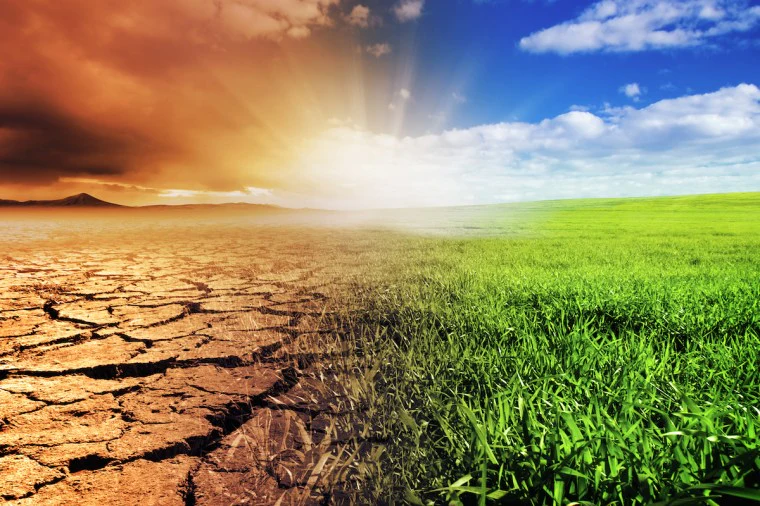
President William Ruto’s vision of transforming Kenya into an environmental hub and achieving the ambitious goal of planting 15 billion trees by 2032 is at risk of failing unless universities and colleges take a leading role in climate action.
This warning comes amid reports that Kenya is losing around Ksh 900 billion every year due to the impacts of climate change — equivalent to about 3–5% of its GDP. Without urgent intervention, this figure could rise dramatically, with experts projecting potential losses of up to Ksh 15 trillion over the next 15 years due to climate-related disasters such as droughts, floods, crop failures, and damaged infrastructure. These losses could significantly hinder the country’s development.
At the launch of the Institute for Sustainability and Climate at International Leadership University, environmentalist Dr. Kalua Green emphasized that Kenya and Africa are in a strong position to lead in developing global climate solutions. However, this would require a united front, particularly from institutions of higher learning, which have the potential to innovate and drive meaningful change.
Citizens have also been urged to take environmental conservation seriously, as ignoring it comes with serious long-term consequences.
While the president has promoted conservation through annual national tree planting efforts, the lack of consistent follow-up has hampered progress. There is now a renewed call for universities to create practical strategies that would not only help Kenya preserve its environment but also benefit from opportunities like carbon trading.


