

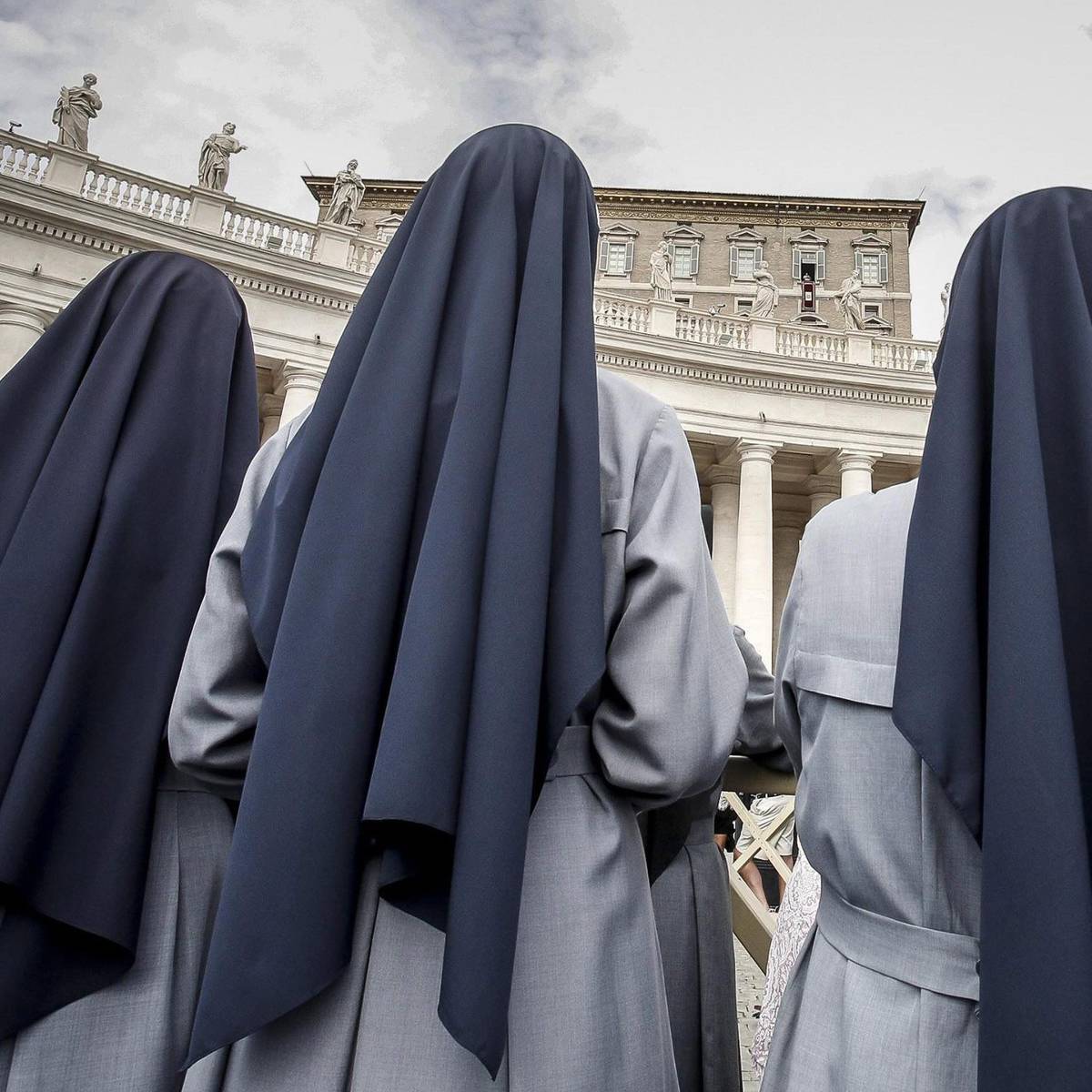
The sexual abuse of nuns by priests remains one of the Catholic Church’s most deeply hidden scandals, but increasing reports and pressure are making it harder for future Church leaders to ignore. Brazilian nun Sister Cristina Schorck, reflecting on past silences, said Pope Francis helped open the door for women to begin speaking out. Since a pivotal 2019 Vatican summit on clerical abuse, the Church has introduced reforms, such as abolishing the pontifical secrecy around abuse cases and mandating internal reporting.
A notable example is the case of Slovenian priest Marko Rupnik, accused of abuse by several nuns; it wasn’t until 2023, under external pressure, that Francis waived the statute of limitations to allow legal action.
Lawyer Laura Sgro, representing some of Rupnik’s accusers, stressed the need for stronger protections for nuns in both civil and Church law, including an extension of legal deadlines for reporting abuse. Victims’ advocates argue the Vatican must go further, particularly by rethinking the seal of confession.
Although Francis denounced all forms of abuse and appointed a woman to lead a Vatican department—a historic first—many still criticize the Church’s hierarchical, male-dominated structure. With women religious significantly outnumbering priests, figures like Sister Marthe from Cameroon and Sister Eugenia in Rome call for deeper change, including an end to clericalism and gender bias.
Groups like the International Union of Superiors General (UISG) have taken initiative, encouraging nuns to report abuse and offering education to promote prevention. Still, Sister Véronique Margron warns against waiting passively for Vatican action, urging grassroots responsibility and empowerment within female religious communities.


